

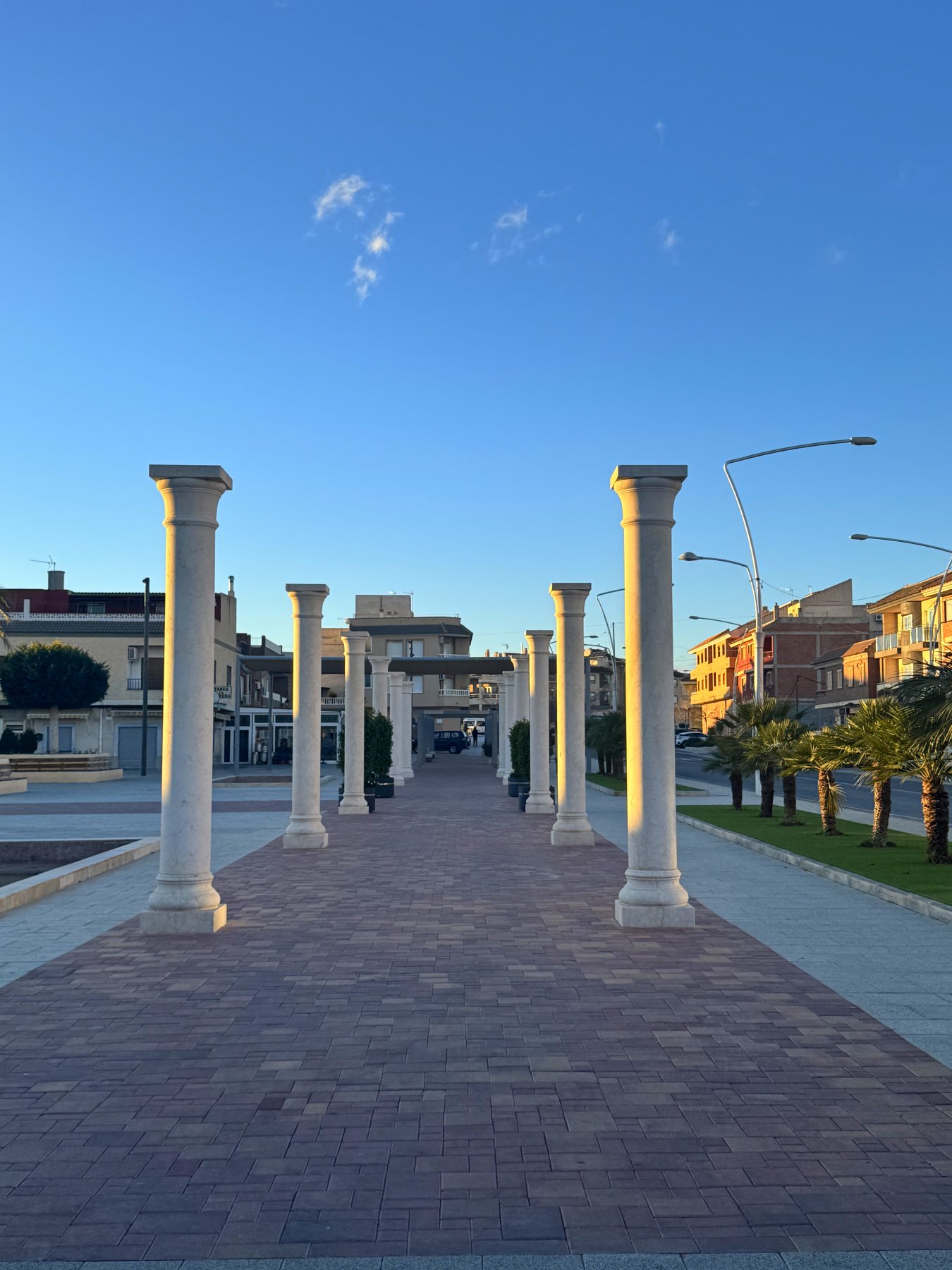
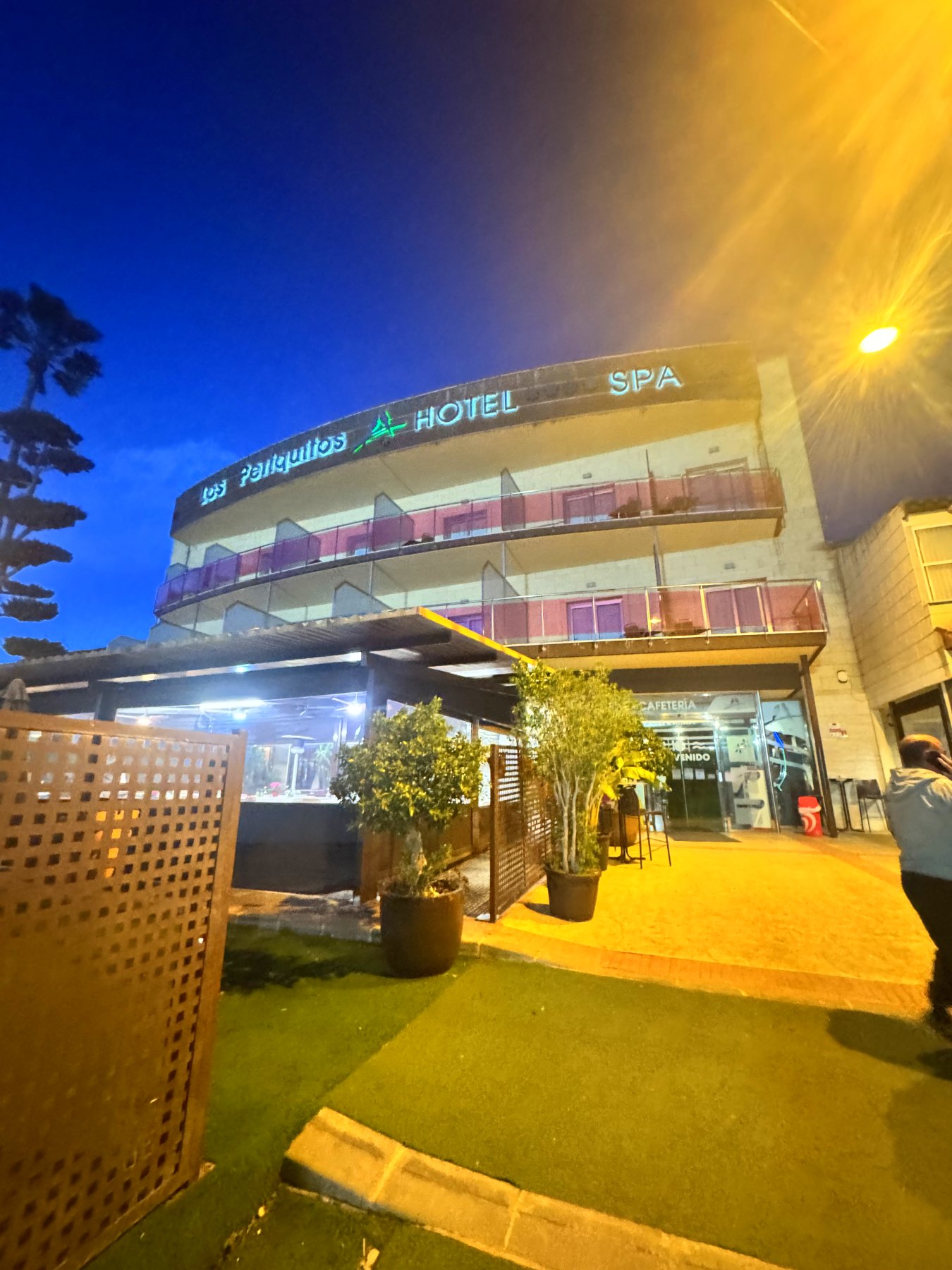
Fortuna, Murcia - España
-
 Locality
 -
 5 properties




Fortuna, Murcia: thermal heritage and authentic inland living
Fortuna is an inland town and municipality in the north-east of the Región de Murcia, approximately 25 km from Murcia city. It is a place with a notably different rhythm from the better-known Mediterranean resorts: quieter, more rural and deeply connected to its thermal springs, agricultural landscape and annual traditions. For those looking at property for sale in Fortuna, Murcia, the appeal lies in an established Spanish community, a practical small-town base and countryside that begins almost as soon as the town streets end.
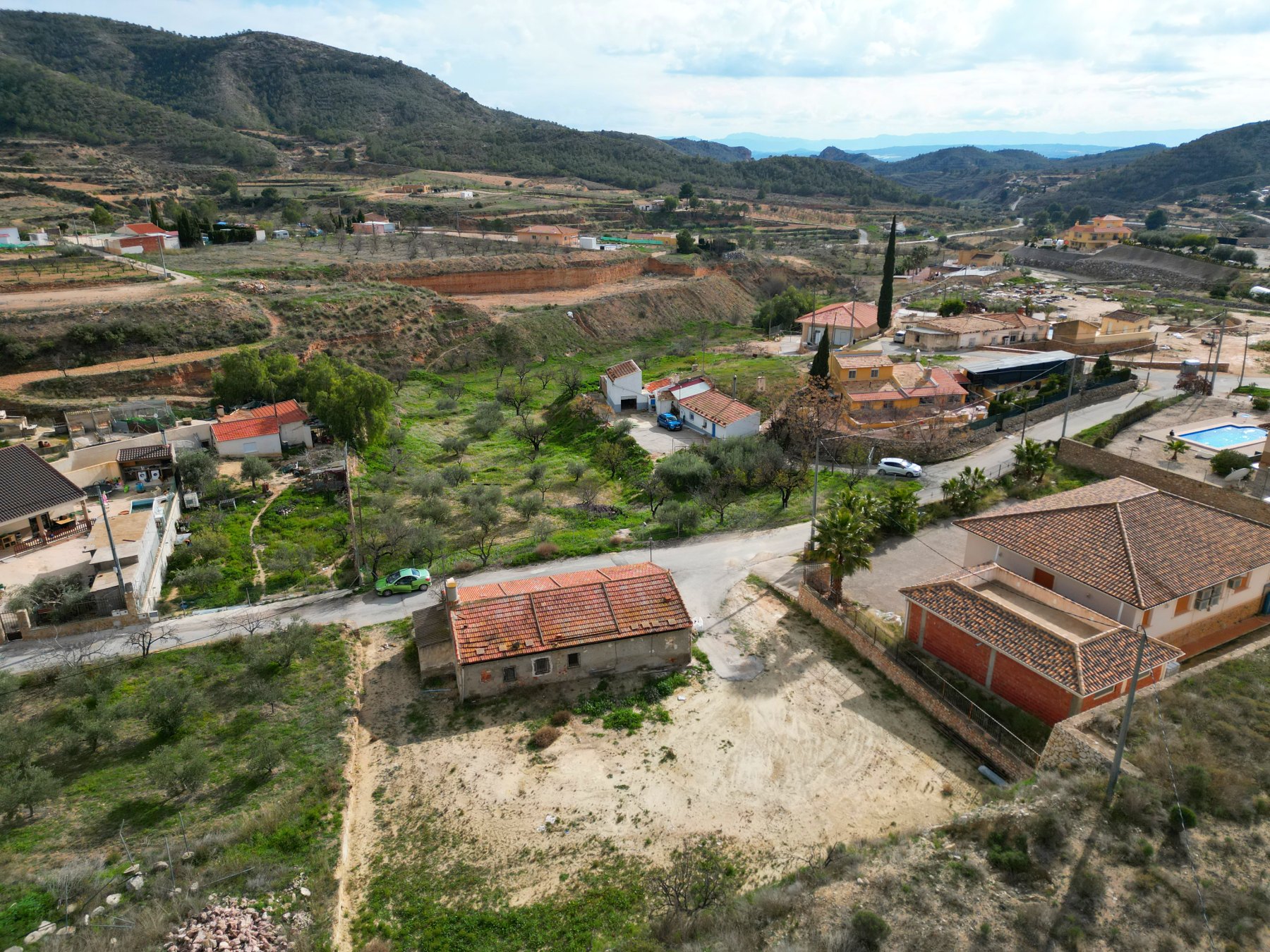
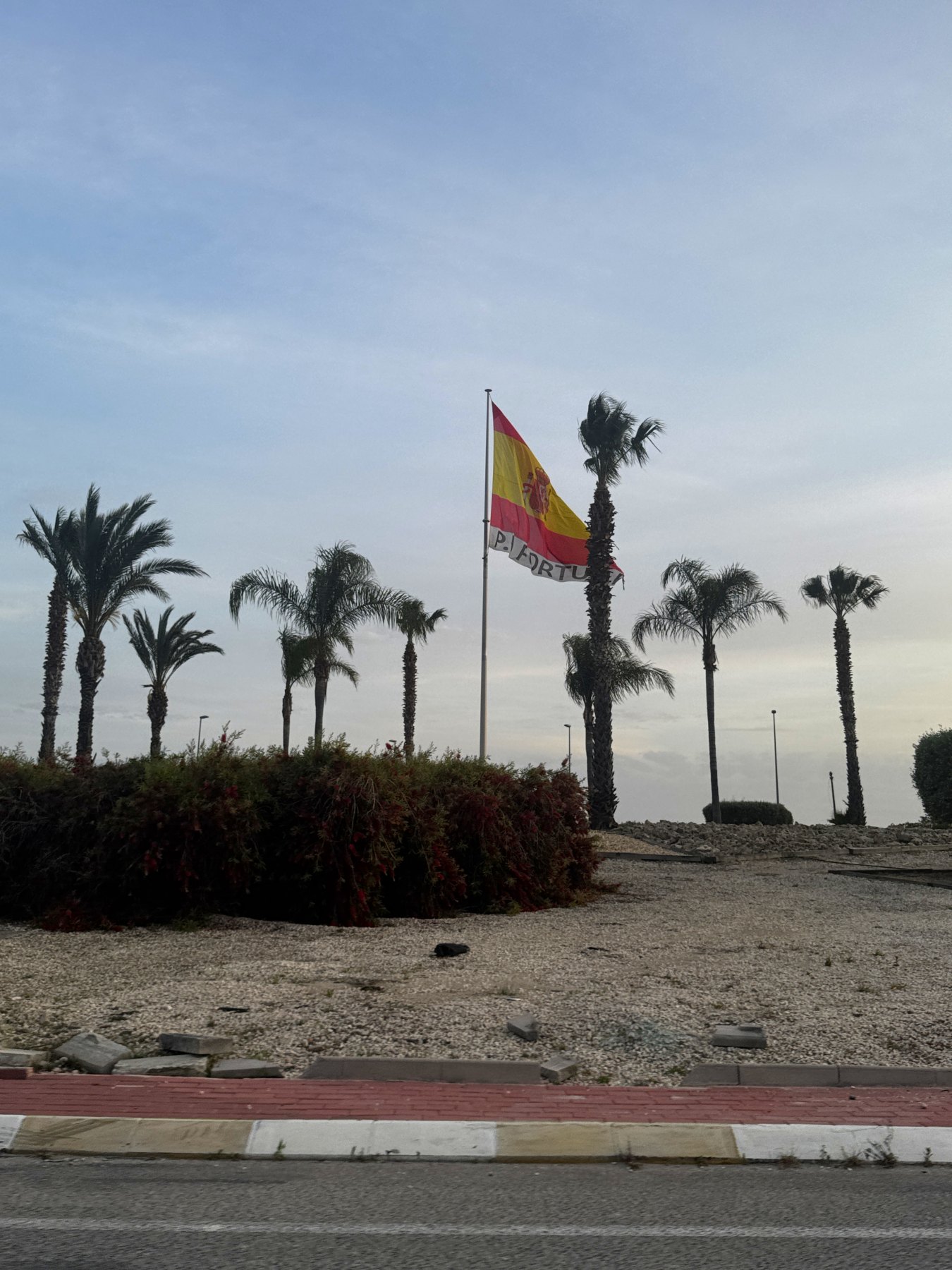
The municipality includes Fortuna town and 11 outlying hamlets, creating a varied setting of residential streets, traditional tiled-roof homes, palms, cultivated plots and low, rugged hills. The wider landscape can feel dry and almost semi-desert in places, yet irrigated pockets, orchards and the presence of mineral-rich water provide a striking contrast. It is this meeting of arid terrain, foothills and springs that gives Fortuna its distinctive identity.
Life here suits buyers who value space, local character and access to nature over beachfront promenades or a large international resort scene. A village house, town apartment, country finca or home in one of the surrounding pedanías can offer a more grounded way to enjoy south-east Spain, with Murcia city available for a wider choice of services, shopping, culture and transport connections.
The thermal heart of Fortuna
Fortuna has been associated with thermal water since antiquity, and its spa tradition remains its most recognisable attraction. Los Baños de Fortuna and the Balneario de Leana area are central to the town’s visitor appeal, combining the pleasure of a spa break with an atmospheric inland setting. Leana is regarded as one of Spain’s oldest spa resorts and was rebuilt over Roman baths, reinforcing the sense that wellness is not a recent addition but part of the municipality’s long story.
The resort has heated outdoor thermal pools open throughout the year, making a soak especially appealing during the cooler months as well as on sunny winter days. Treatments, pool access, opening hours and booking arrangements can change, so it is sensible to contact the spa directly before visiting. For residents, having a thermal-spa district close by can add an enjoyable ritual to everyday life; for holiday-home owners, it is a meaningful local feature that sets Fortuna apart from many inland towns.
Fortuna’s Roman-bath context extends beyond the modern spa experience. The town’s heritage is closely tied to ancient water use, sacred landscapes and the archaeological remains around the Sierra del Baño. This gives a stay in Fortuna an extra dimension: it is possible to enjoy contemporary relaxation while also exploring the origins of the area’s thermal culture.
History and the town centre
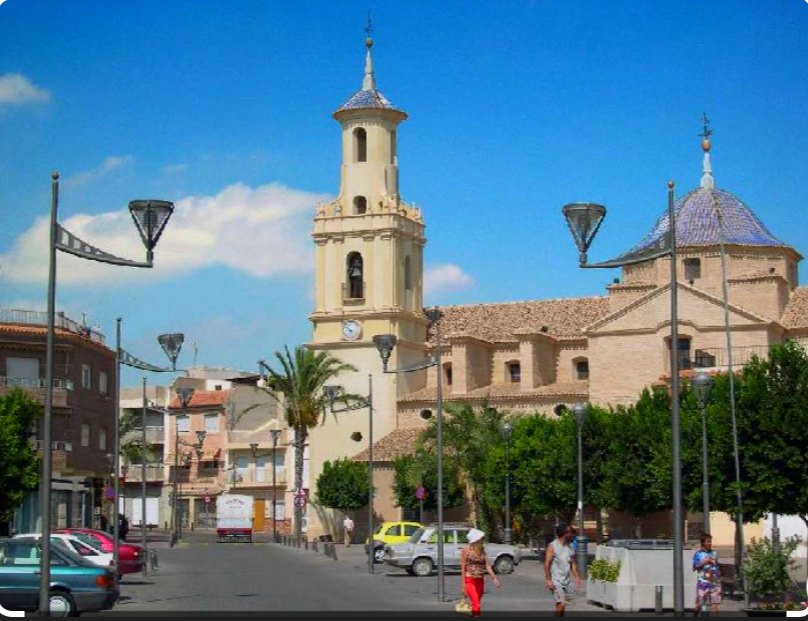
Fortuna’s centre is compact enough for a relaxed walk and combines everyday local commerce with historic religious and civic buildings. The Parish Church of La Purísima, an 18th-century Baroque church, is one of the principal landmarks. Its tower, dome and traditional masonry presence contribute to the townscape, while nearby streets offer the unhurried café-and-conversation atmosphere expected of a working Murcian town.
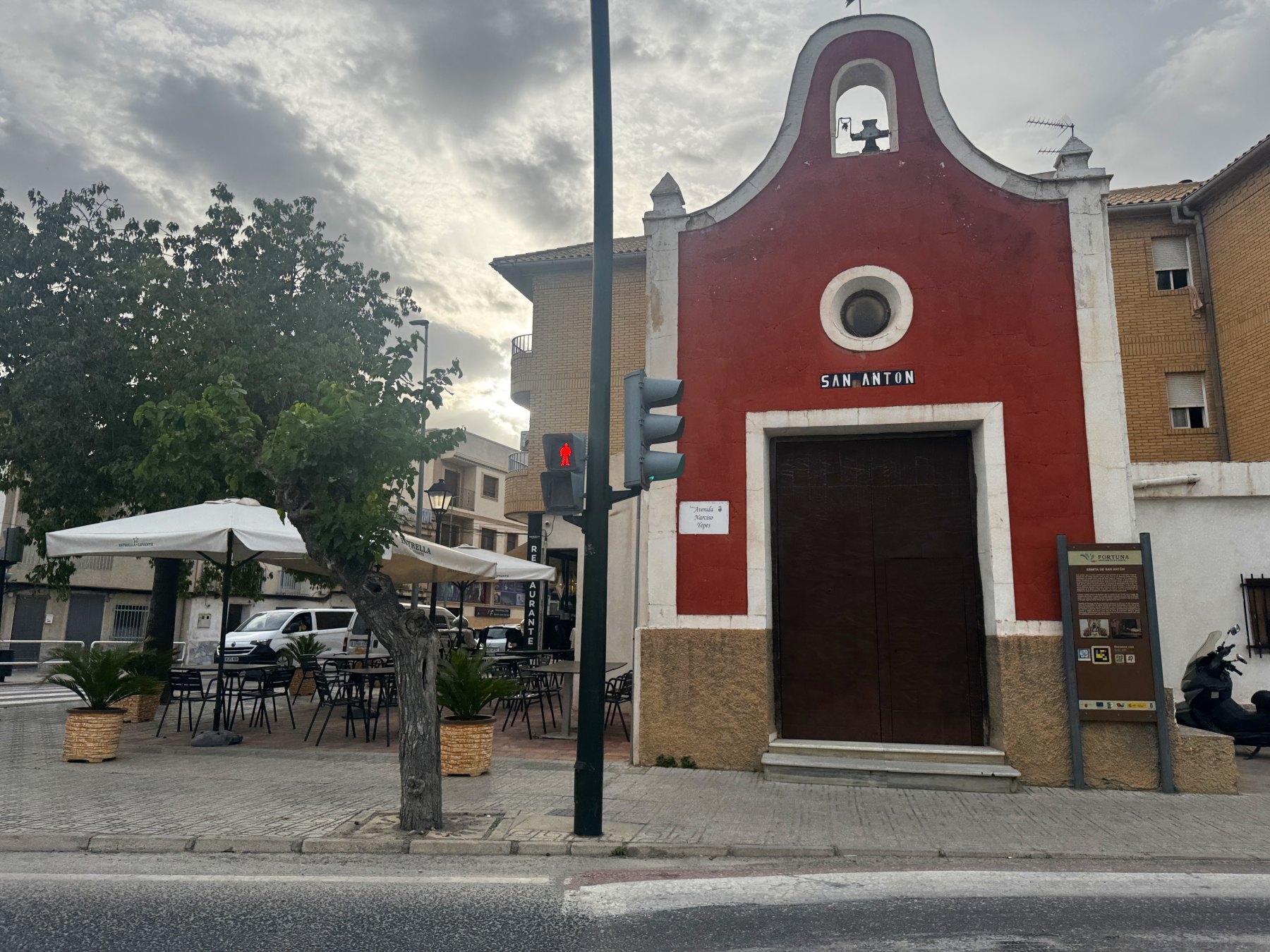
Other points of interest include the Modernista Casa Convento, known for its arabesque courtyard, historic library furnishings and former ballroom now used as a chapel; the Town Hall, whose entrance retains early-20th-century painted panels; and the 17th-century Ermita de San Roque. These are modest but characterful stops rather than the large-scale monuments of a provincial capital, and they reward visitors who enjoy looking beyond headline attractions.
Close to town, Cueva Negra is an important Roman sanctuary and archaeological site in the Sierra del Baño, approximately 3 km from Fortuna. It is associated with painted Roman inscriptions, known as tituli picti, and is a key link between the ancient sanctuary, the springs and Fortuna’s wider heritage. Check locally for access conditions, interpretation and any guided visits before making a special journey.
Outdoor life: mountains, wetlands and cycling country
Fortuna is well placed for people who enjoy being outdoors. The surrounding roads and hills offer a landscape suited to exploratory drives, walking and cycling, with cultivated terraces, olive and almond trees, palms, ravines and wide views across the interior of Murcia. The terrain is not uniformly gentle, so it especially appeals to cyclists and walkers who enjoy rolling or hilly routes.
Sierra de la Pila Regional Park extends across Fortuna, Abarán, Blanca and Molina de Segura. It is a rugged, relatively little-altered mountain area, protected both as a regional park and through European nature designations. Its highest point, La Pila, reaches 1,265 metres, and the park provides a refreshing change of scenery from the lower, drier landscapes around town. La Garapacha and Fuente Blanca are useful small settlements for exploring this side of the municipality.
Official mapping identifies several walking routes, including the circular Fuente del Javé route of 2.7 km, Sierra del Águila at 15 km, Jaime el Barbudo at 13.4 km and a one-way route to Cueva de la Encantada of 3 km. These are useful starting points for planning, but trail surfaces, signposting, weather, fire restrictions and access arrangements should always be checked before departure. Summer heat can be intense, so early starts, water, sun protection and suitable footwear are essential.
In contrast to the mountain scenery, the Humedal del Ajauque y Rambla Salada is a protected wetland and saltland landscape shared with Abanilla, Santomera and Molina de Segura. Much of the designated site lies within Fortuna. Its gypsum and salt steppes, saline scrub, intermittent channels and permanent wet patches make it one of the most distinctive natural environments in this part of Murcia. It also has important bird-protection status and supports specialised vegetation, including the region’s largest white-tamarisk woodland along part of the Ajauque.
The Rambla Salada saltworks add an ethnographic element to the landscape, while occasional nature-classroom activity has made the area a potential family outing when programmes are running. For a more dramatic excursion, Cortao de las Peñas is a striking geological cleft. The area is promoted for scenic interpretation, climbing and via ferrata; technical activities require appropriate equipment, experience and, where needed, a qualified guide.
Family activities and local leisure
Fortuna is not a purpose-built family resort, but it works well for families who prefer low-key, outdoors-oriented days. Local tourism has promoted educational walks and interpretation around Cueva Negra and Cortao de las Peñas, subject to current availability and accessibility. The thermal pools can also provide a welcome alternative to a conventional pool day, provided that children’s access policies are confirmed in advance.
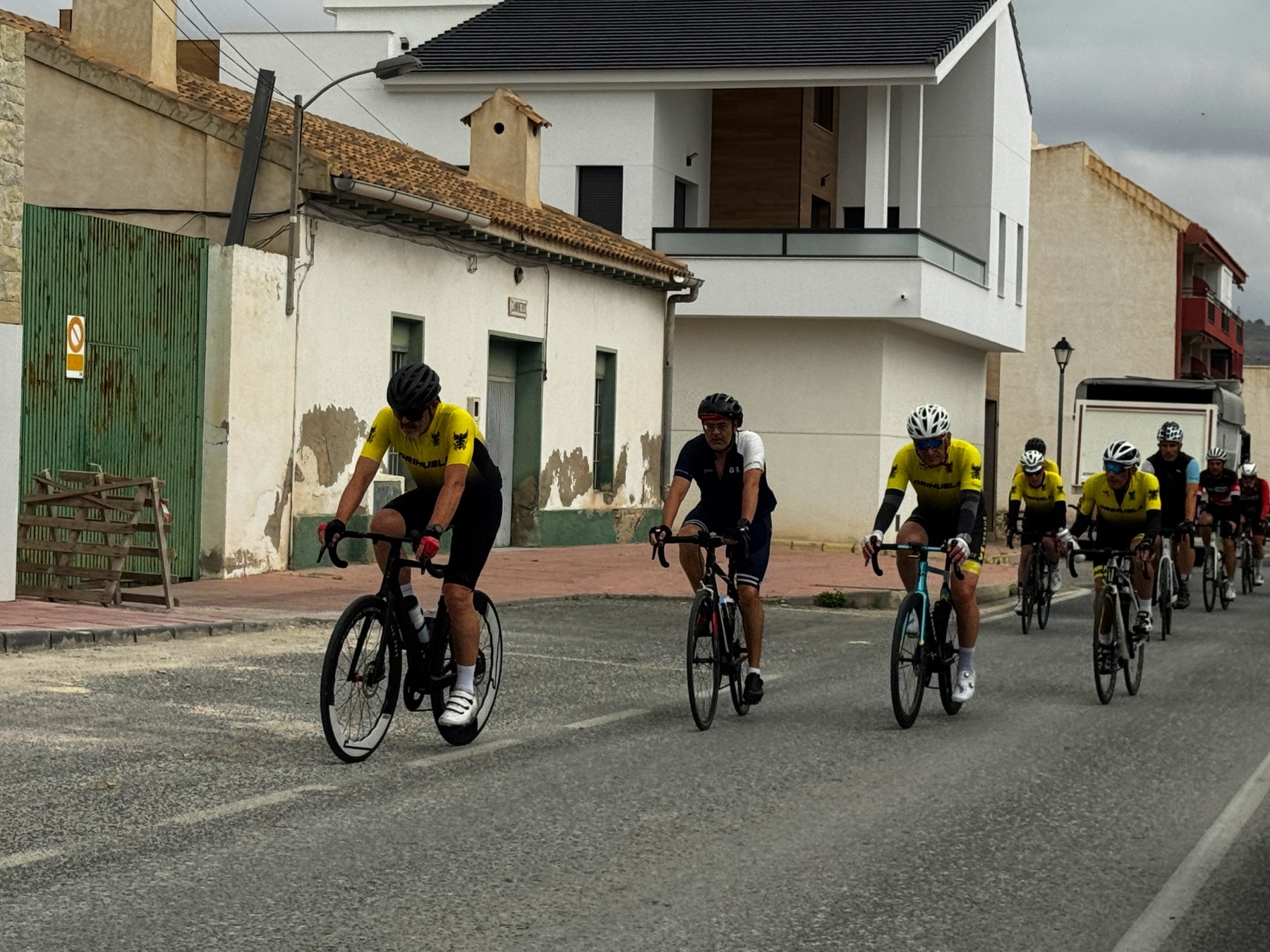
Everyday leisure centres on cafés, bars, informal dining and time outdoors rather than on large attractions or malls. The town has a lived-in feel, with broad streets, palms and public spaces providing room for an evening stroll. Cycling is a visible part of the local outdoor culture, and the varied roads beyond the centre are a draw for riders who want inland Murcia rather than flat coastal cycling.
Food, cafés and the flavour of inland Murcia
Eating in Fortuna is about traditional Murcian inland cooking: generous rice dishes, stews, local baking and sociable bar culture. Rather than expecting a high concentration of formal fine dining, visitors and residents can seek out straightforward regional food and seasonal specialities. A particularly local dish to try is rice with rabbit and snails, traditionally enjoyed with regional wine.
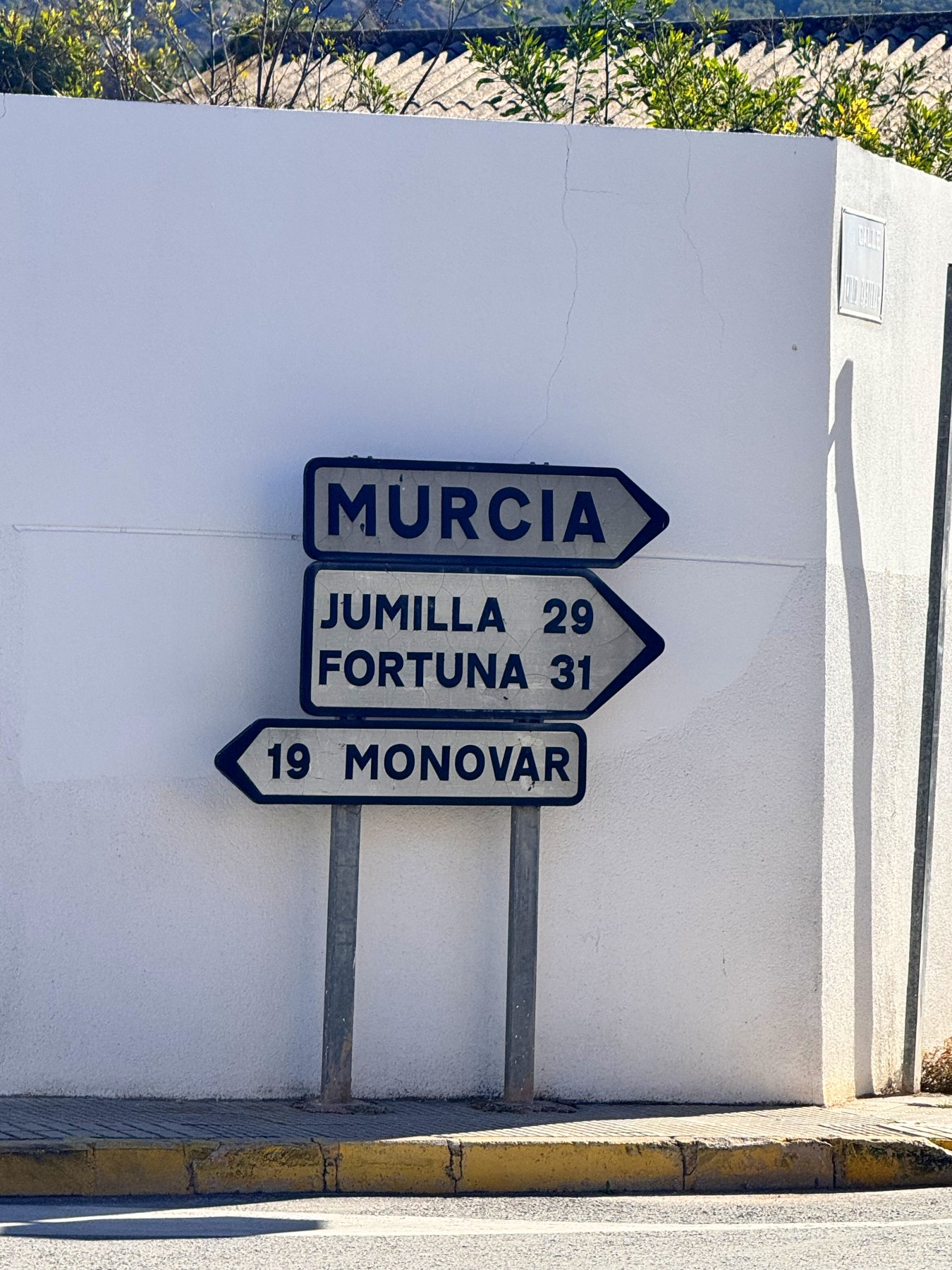
Other representative dishes include gachasmigas, empedrao, tortilleras, cocido con relleno and the Holy Thursday dish trigo pelao. Sweet treats reflect the wider Murcia tradition too, with buñuelos, paparajotes, toñas, almendrados and orange or anise rolls among the regional favourites. For wine-minded visitors, Fortuna also makes a sensible base for exploring the Jumilla and Yecla directions, both associated with designation-of-origin wines and expansive Altiplano scenery.
Festivals, shopping and evenings out
Fortuna’s cultural calendar is community-led and reaches its peak around the patronal festivities of San Roque in mid-August. The principal programme is generally held from 10 to 17 August and includes the Sodales Íbero-Romanos celebrations, a Roman market, public festivities, concerts and fireworks. The Iberian-Roman parade has Regional Tourist Interest status. Exact dates and programmes vary each year, so visitors should confirm plans locally.
Carnival, Easter observances, San Isidro on the weekend after 15 May, fire festivities around San Juan and San Pedro, and a living nativity at Christmas all contribute to the annual rhythm. These events are a real advantage for people wanting to feel part of a Spanish town rather than remain within a holiday enclave.
Shopping is practical and local, centred on independent businesses and everyday needs. Fortuna is not the destination for extensive designer retail, major museums or late-night clubbing; Murcia city is the natural choice for larger shopping areas, broader restaurant choice, cultural venues and nightlife. The same distinction is useful for buyers: Fortuna offers peace and authenticity, while the provincial capital provides a broader urban option within reach.
Beaches, nearby places and day trips
There is no beach in Fortuna itself. This is firmly an inland Murcia destination, chosen for spa life, history and countryside rather than walk-to-the-sea living. Buyers whose priority is a coastal promenade or daily beach access should consider the distance and their preferred lifestyle carefully. For many residents, however, the absence of a resort atmosphere is precisely part of Fortuna’s appeal.
Murcia city is the most useful nearby day trip, with its cathedral, historic streets, museums, retail, restaurants and wider transport network. Abanilla, Santomera and Molina de Segura offer natural extensions to exploration of the Ajauque and Rambla Salada landscape, while Abarán and Blanca provide access to other sectors of Sierra de la Pila. The Jumilla and Yecla direction is a rewarding theme for wine country, rural restaurants and the larger-scale horizons of the Altiplano.
Getting to and around Fortuna
A car is the most practical way to enjoy Fortuna and its municipality. It makes it easier to reach the spa district, scattered hamlets, trailheads, wetland landscapes and neighbouring towns, and is particularly useful for owners of country homes or properties outside the centre. Within Fortuna town, many daily errands and a central stroll can be managed on foot, but the wider lifestyle is car-oriented.
The Región de Murcia International Airport at Corvera/Valladolises is the principal airport for the region. Airport bus links serve Murcia’s San Andrés bus station and Cartagena, but no direct Fortuna airport connection is indicated, so onward travel via Murcia or a private car, taxi or arranged transfer should be expected. Alicante–Elche Miguel Hernández Airport is another important option for international visitors and has a substantially broader route network. Exact journey times from Fortuna depend on the property location, traffic and route, so should be checked live when planning travel.
No verified rail station or direct rail connection in Fortuna should be assumed. Rail travel is more realistically accessed through larger nearby centres, with the onward journey requiring confirmation for the specific route and timetable.
Why choose Fortuna for a home or holiday base?
Fortuna, Spain, is especially appealing to spa users, walkers, cyclists, nature lovers, archaeology enthusiasts and buyers who want a traditional inland setting within reach of Murcia city. Its strongest qualities are not flashy: they are the enduring thermal tradition, the Roman-rooted story, the mountain and saline-wetland landscapes, local food and a town calendar that still feels shaped by its community.
It is less suited to those seeking a large expatriate resort, immediate beach access, major retail on the doorstep or car-free metropolitan convenience. Yet for the right buyer, that is its strength. Fortuna offers a more authentic, spacious and quietly distinctive corner of the Región de Murcia, where a morning in the hills, a thermal afternoon and an evening in a local bar can all form part of everyday life.
Location hierarchy
- España
- Región de Murcia
- Murcia
- Fortuna
- Fortuna
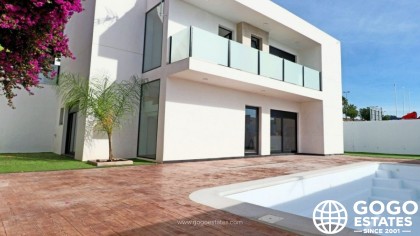
Properties in Fortuna
A selection of properties currently available in this location.
Nearby locations
Explore other localities in the same province with local information and photos.
-
 Locality in the same province
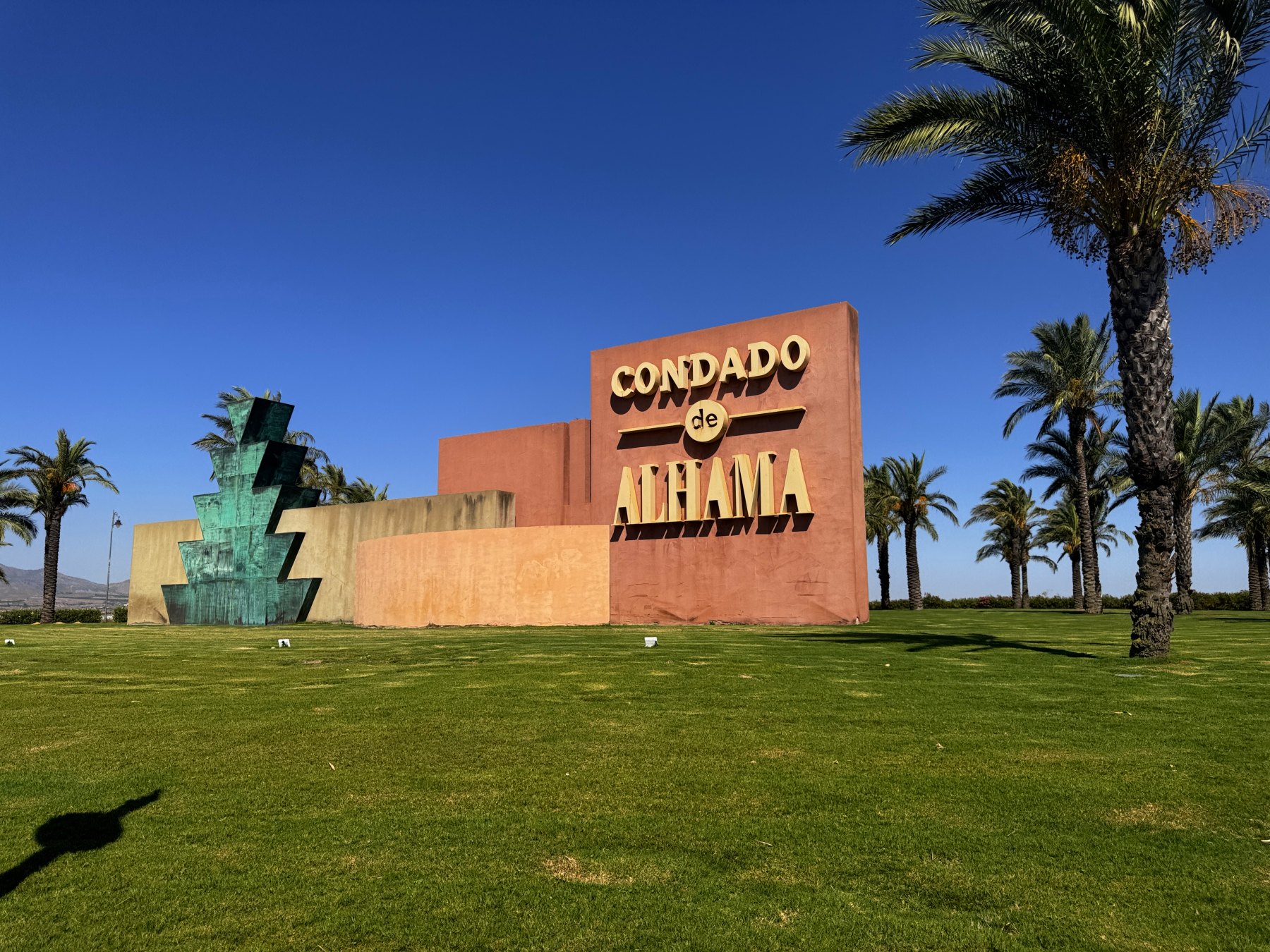
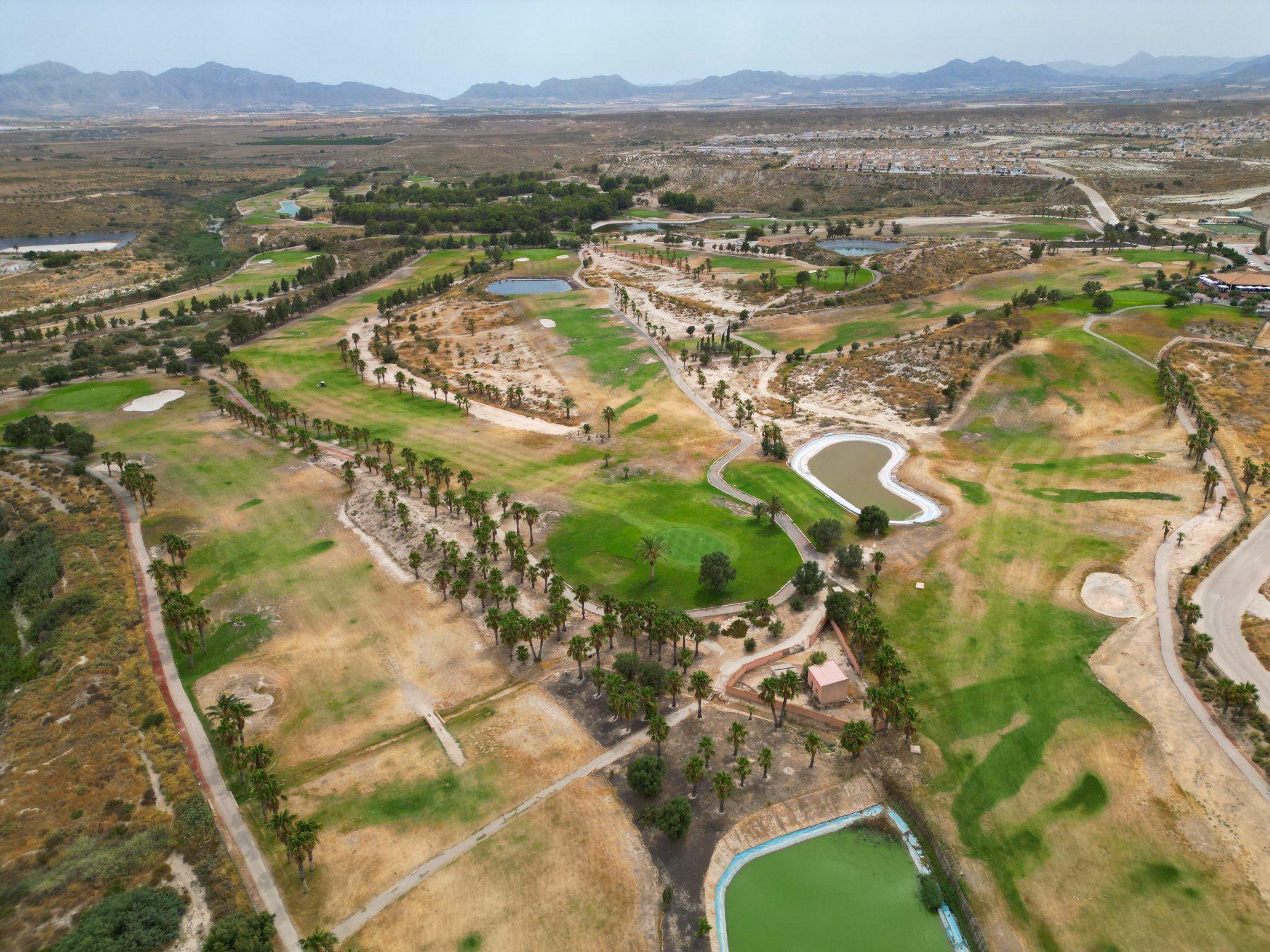
Condado de Alhama
Locality in the same province
Condado de AlhamaCondado de Alhama is a purpose-built residential golf resort in the municipality of Alhama de Murcia, Región de Murcia, combining a relaxed inlan…
-
Locality in the same province
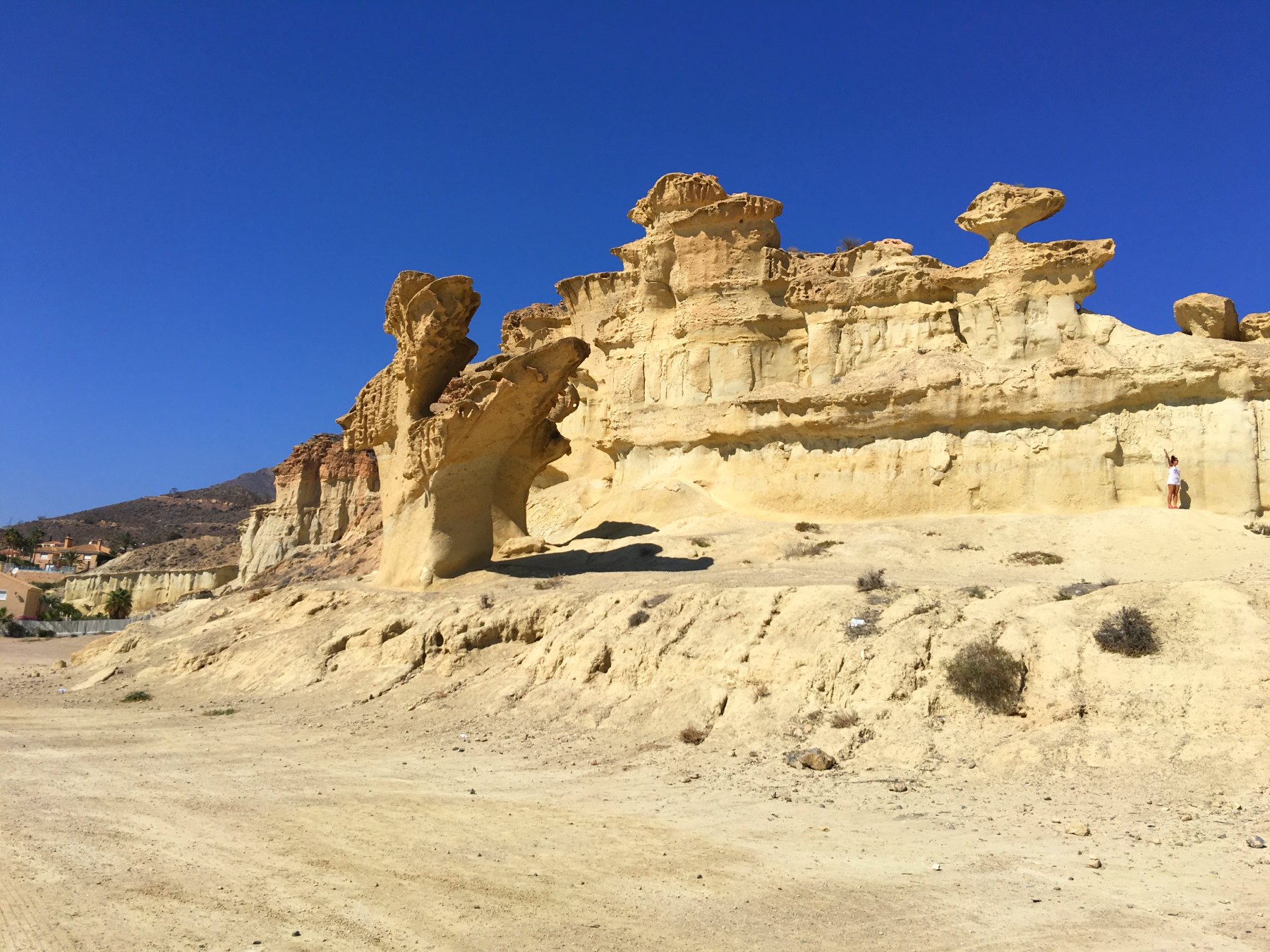
Bolnuevo
Bolnuevo is a characterful coastal settlement in the Mazarrón municipality of Spain’s Región de Murcia, combining Mediterranean beach life with a…
-
Locality in the same province
Camposol
Camposol is a substantial, year-round residential urbanisation in El Saladillo, within Mazarrón municipality, Murcia. Set amid an arid Mediterran…
-
Locality in the same province
Águilas
Águilas is a characterful Mediterranean port town on Murcia’s Costa Cálida, where an active harbour, palm-lined waterfront and traditional centre…

How can we help today?
Choose an option and our assistant will collect the right details so an agent can help you faster.