

Torrevieja, Alicante - España
-
 Locality
 -
 141 properties




Torrevieja: a Costa Blanca town shaped by sea and salt
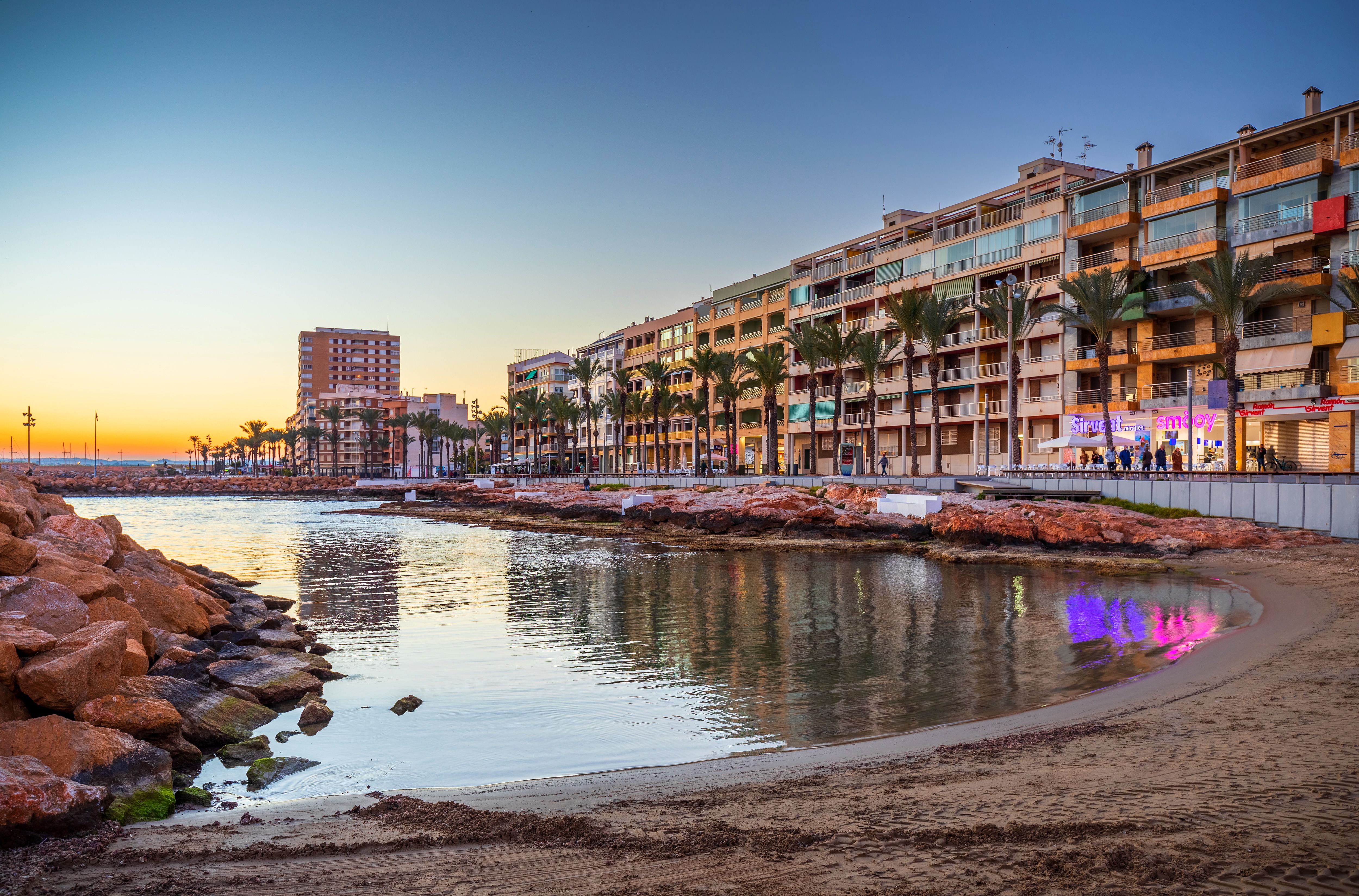
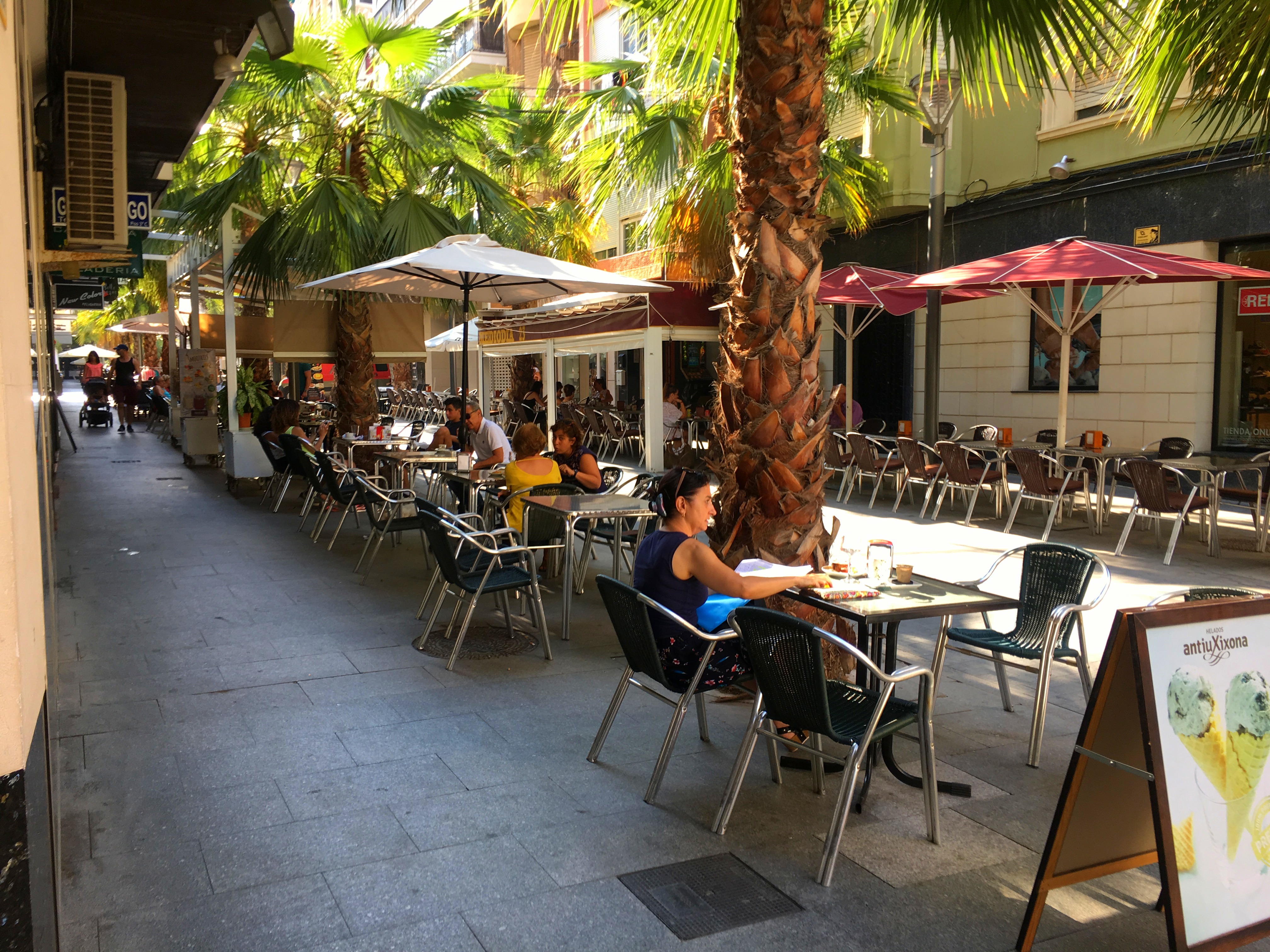
Torrevieja is a substantial coastal town in the province of Alicante, on the southern Costa Blanca in Spain’s Comunidad Valenciana. It has a character that is more urban, active and practical than that of a small resort village: a long Mediterranean frontage, marina, beaches, shops, cafés, apartment-lined avenues and an extensive collection of residential neighbourhoods spread inland. Palm-lined promenades and outdoor terraces are a familiar part of everyday life, while the sea remains close to the centre.
What makes Torrevieja especially distinctive is the landscape behind the coast. The town is closely associated with its salt flats and the protected Parque Natural de las Lagunas de La Mata y Torrevieja, including the famous Laguna Rosa, or Pink Lagoon. This meeting of developed shoreline and wetland nature has shaped the town’s history, cuisine and leisure offer. Salt extraction, fishing and maritime trade are central to its identity, rather than simply decorative references to a coastal past.
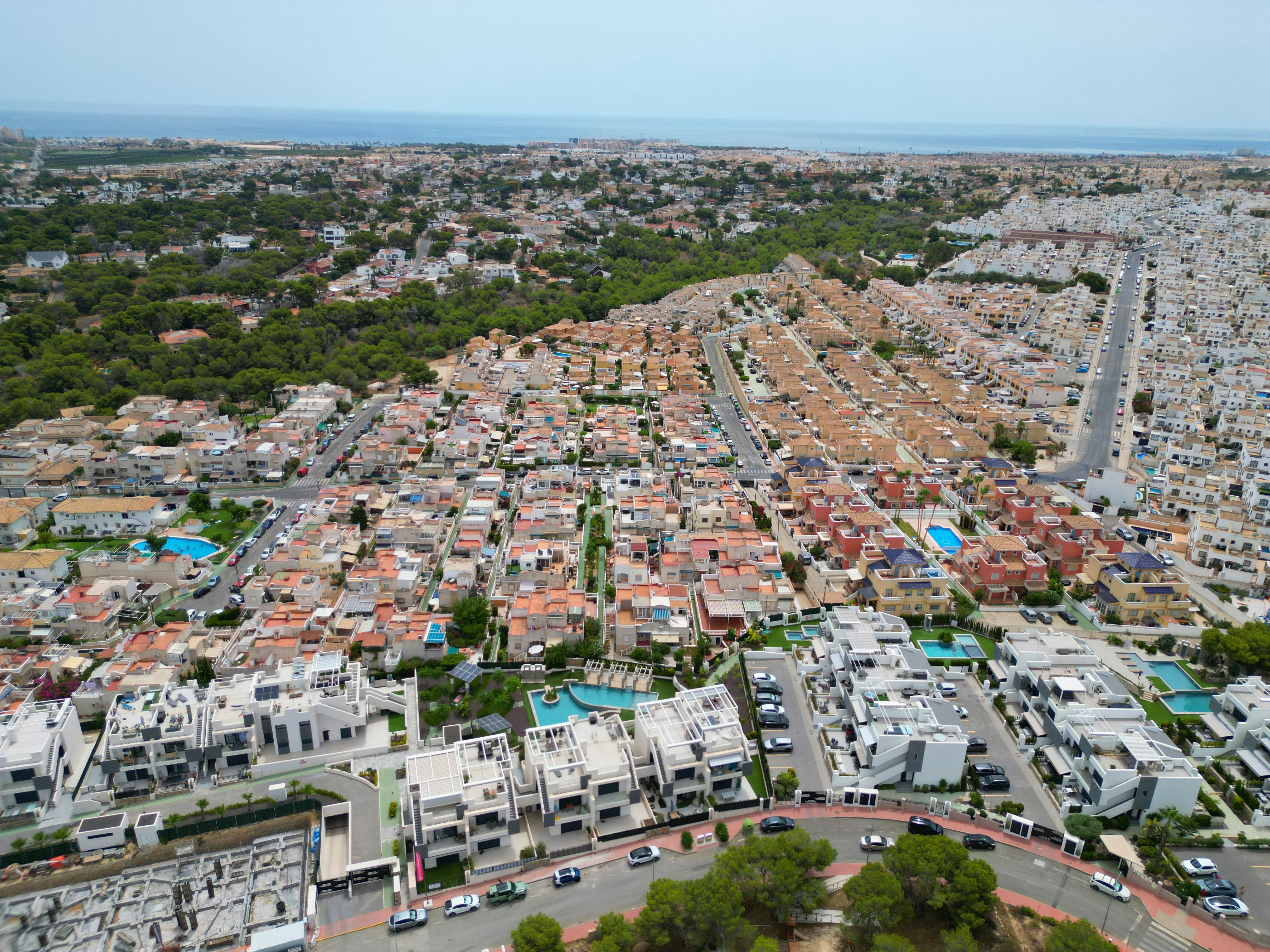
For visitors, Torrevieja offers easy beach days, waterside dining, markets, cultural events and accessible nature. For people considering property in Torrevieja, it offers a broad choice of lifestyles: central apartments near the promenade, beach-oriented homes around La Mata, and villas, townhouses and newer developments in established inland urbanisations. It is a socially active town with an established international population and services that operate beyond the main summer season.
Everyday life and the atmosphere of central Torrevieja
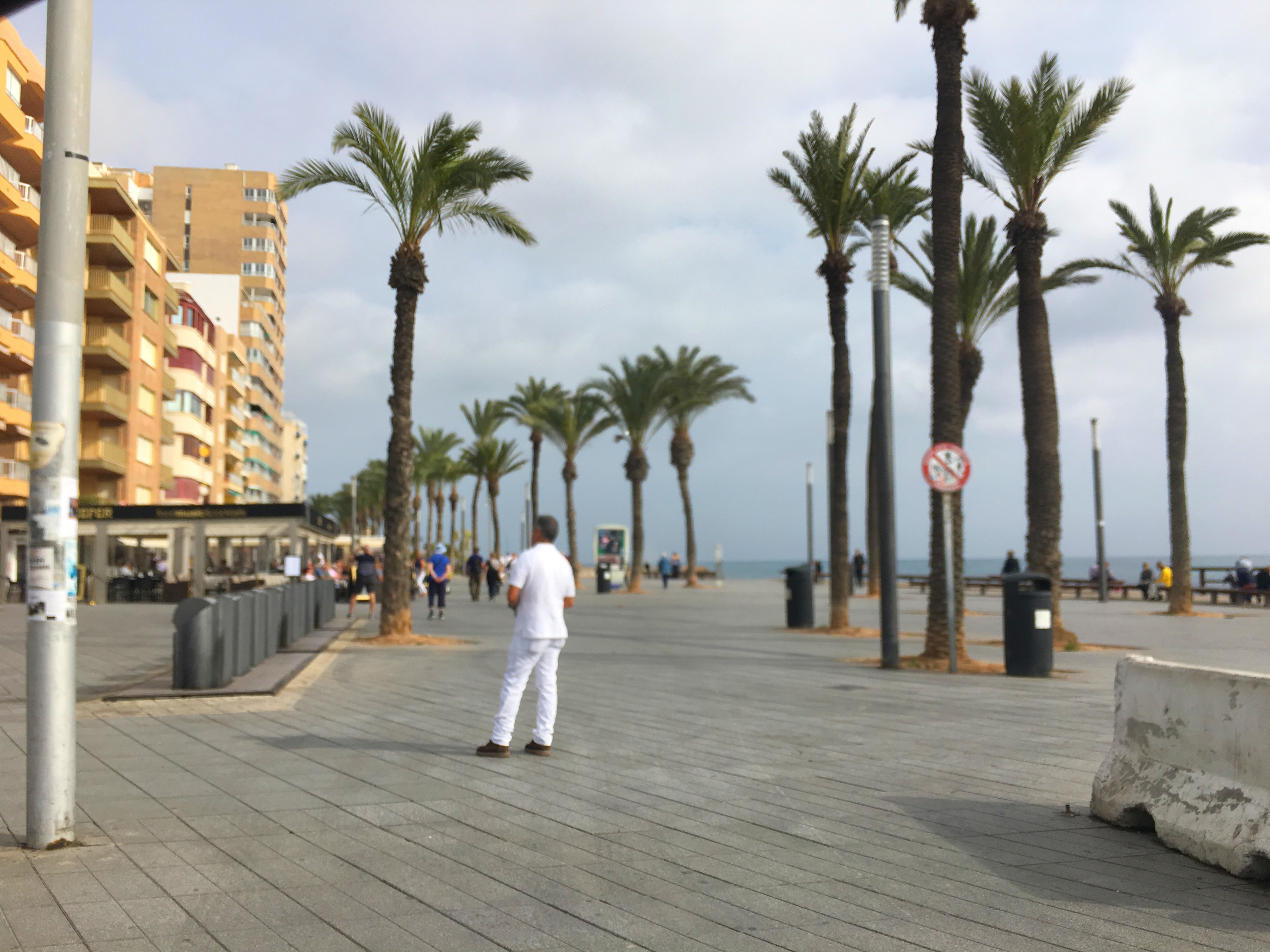
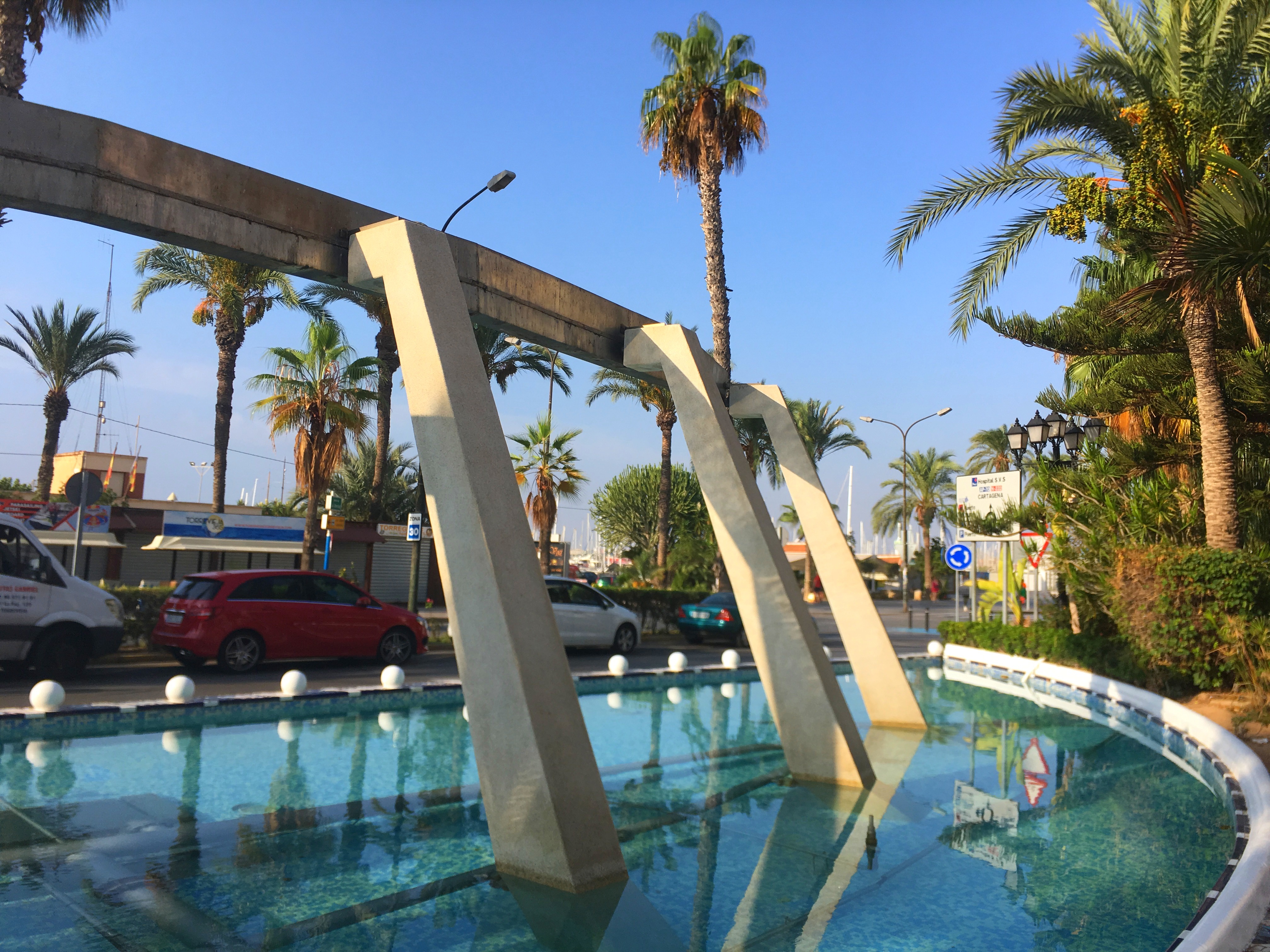
The centre, harbour and Paseo Vista Alegre area are the natural focus for those who value being able to walk to the sea, restaurants, local shops and public spaces. The waterfront combines open sea views, rockier edges and small sandy stretches, with broad paved routes that encourage an evening paseo. Apartment buildings, balconies, street-level businesses and palm planting give this part of town a recognisably Mediterranean, lived-in feel rather than the atmosphere of a gated holiday enclave.
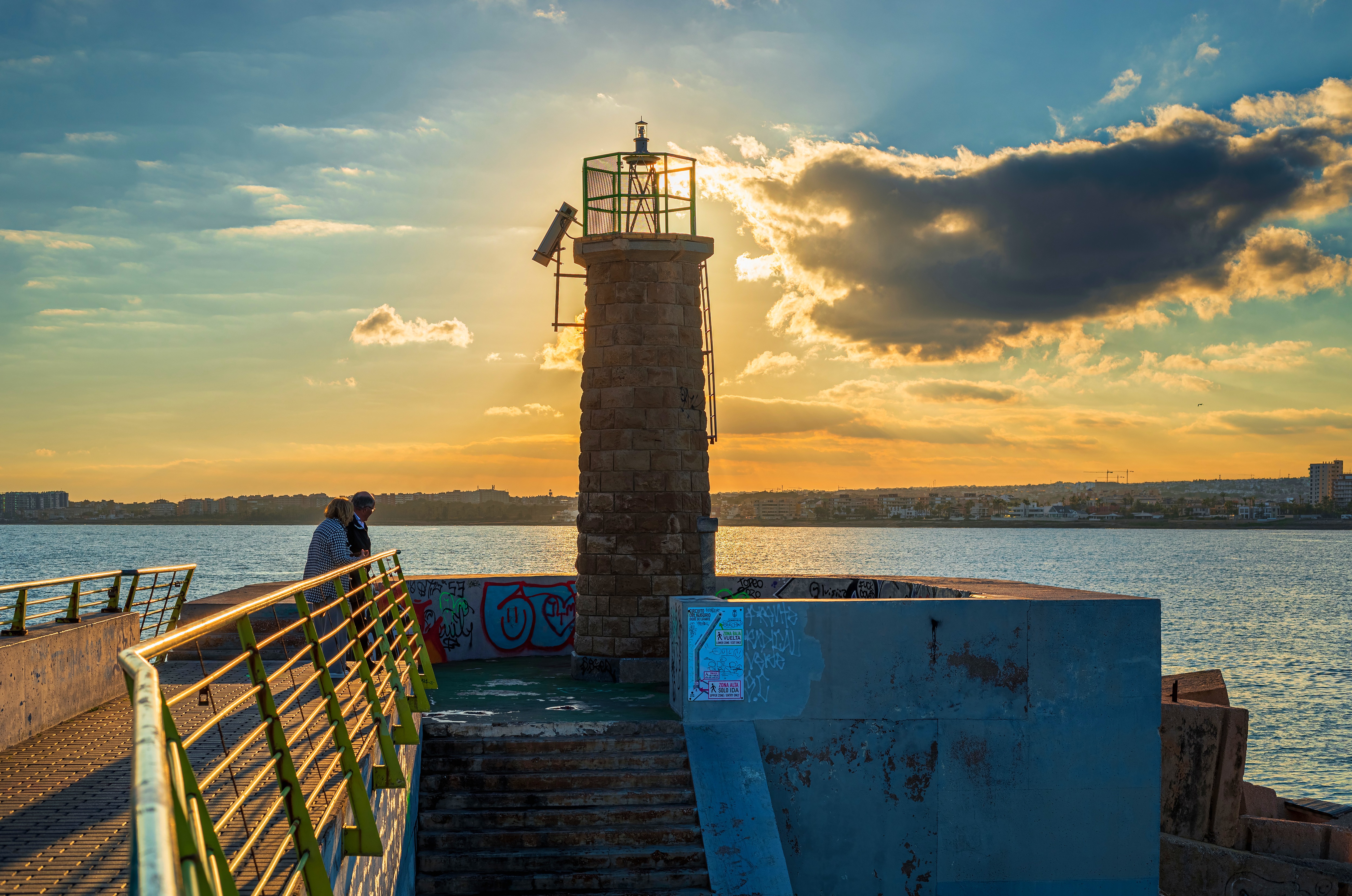
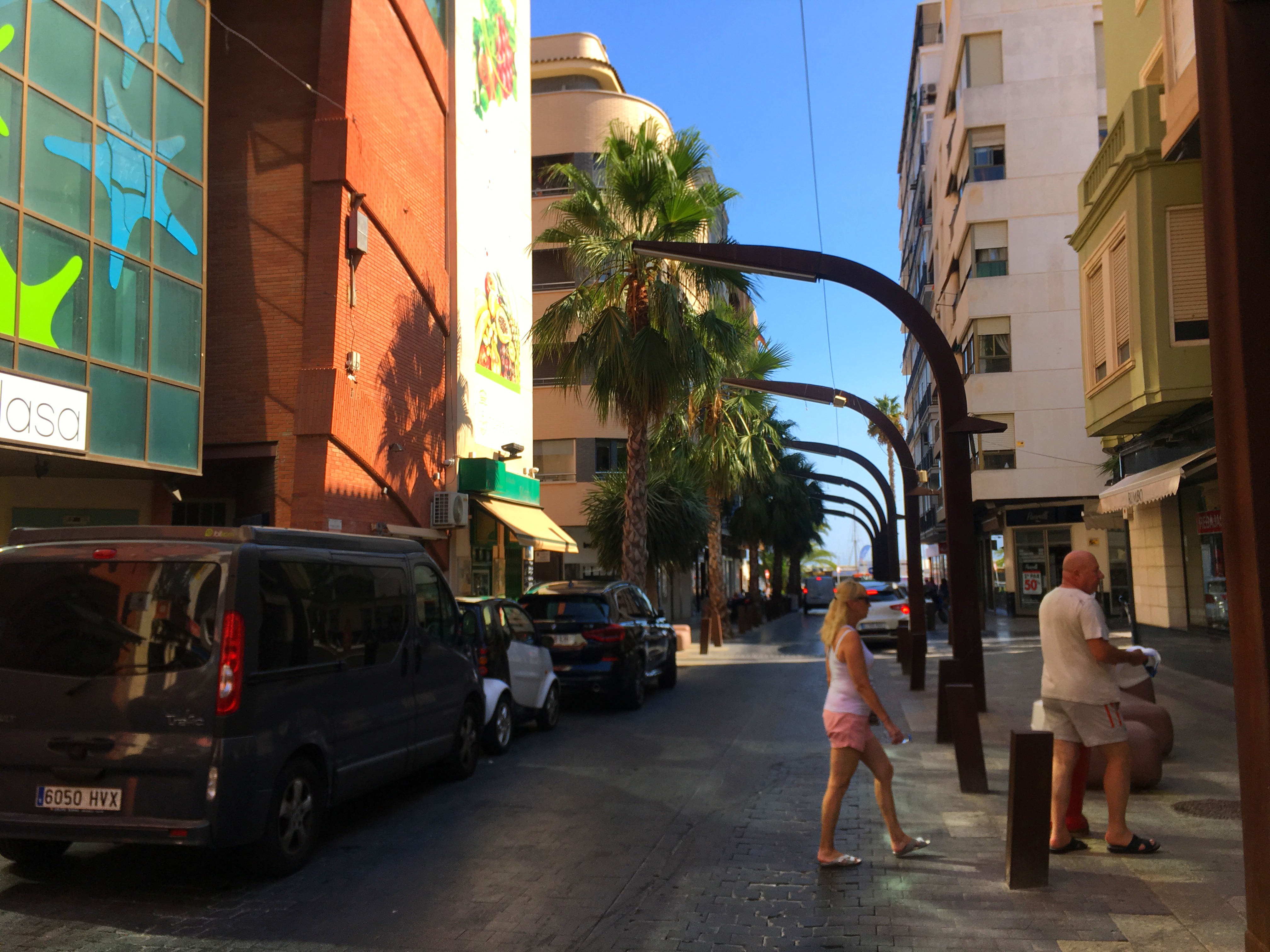
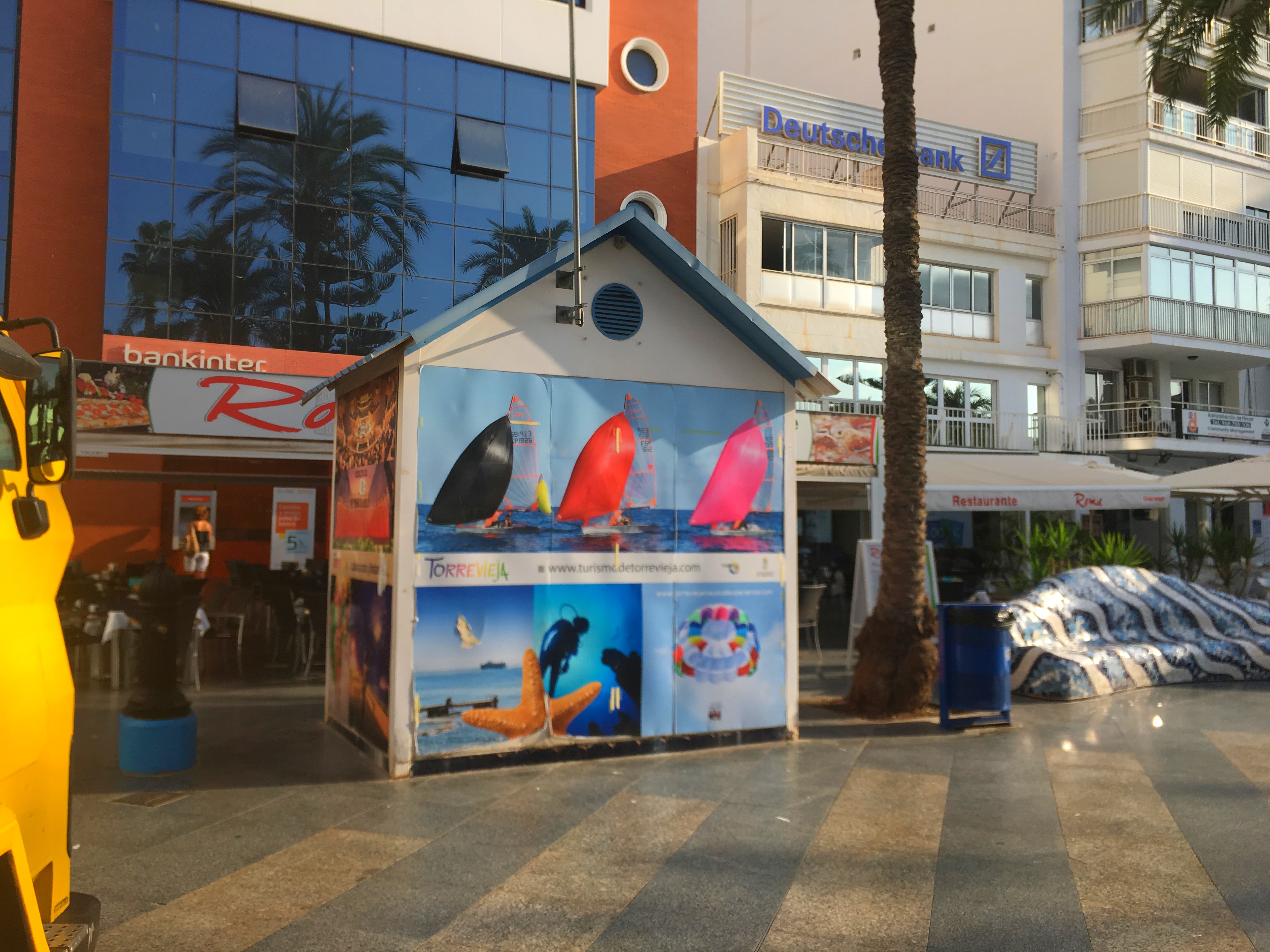
The harbour area is a good starting point for exploring. It links maritime activity, public art, the waterfront and cultural sites, and the La Bella Lola sculpture is one of the town’s recognisable landmarks. Central Torrevieja is particularly convenient for buyers who do not want to rely on a car for every meal, errand or stroll. The trade-off is that this is a busy urban coastal environment, especially in summer, with more traffic, visitors and seasonal activity than in the quieter outer districts.
Torrevieja’s residential footprint extends well beyond the centre. Areas such as Los Altos, Los Balcones, Lago Jardín, Mar Azul, La Torreta, La Siesta and San Luis provide alternatives for buyers seeking more space or a different pace. Many of these locations are more dependent on a car, bicycle, taxi or local bus, so the precise position of a property matters. It is sensible to check walking distances to daily services and current public-transport connections rather than assuming that all parts of the municipality offer the same level of convenience.
Beaches in Torrevieja
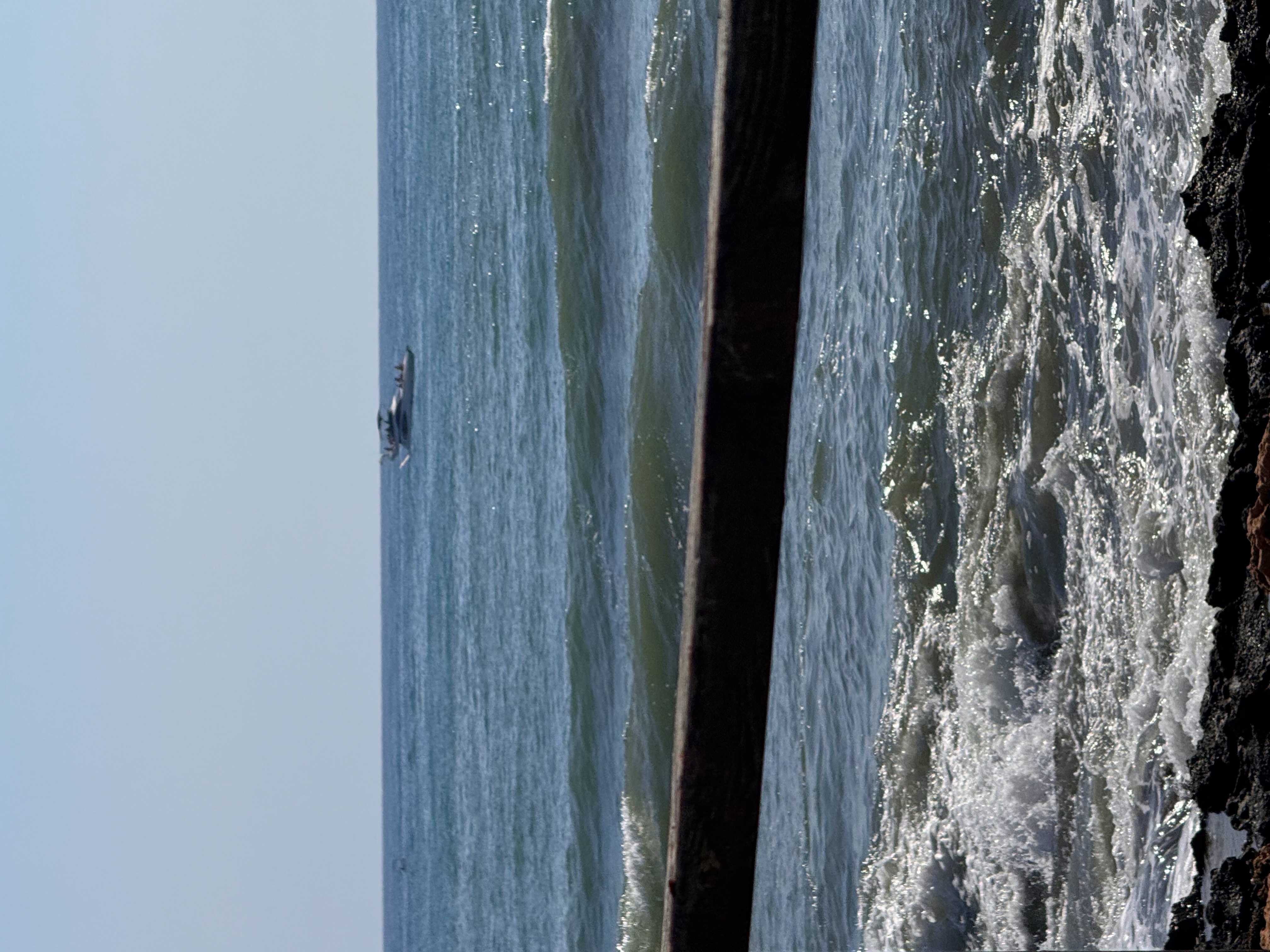
One of the strengths of a holiday or home in Torrevieja is the variety along the coastline. There is not one single beach defining the town; instead, the shore alternates between longer sandy expanses, central urban beaches, small coves, harbour edges and rocky sections. This makes it possible to choose a beach day to suit the mood, whether that means family facilities, a restaurant-lined promenade or a quieter coastal pocket.
La Mata and the northern coast
Playa de La Mata is the municipality’s longest beach, extending for around 2.36 kilometres. Its fine sand, beach services, restaurants, chiringuitos, children’s areas and space for sport make it a major draw for families and regular beachgoers. At its northern end, it is closely connected with the La Mata settlement and promenade. Towards the south, the setting becomes more closely tied to dunes and the protected Molino del Agua natural area.
La Mata and nearby Torrelamata appeal to those who prioritise a long sandy beach and a more distinct beach-neighbourhood atmosphere. The area remains part of Torrevieja municipality, but feels different from the compact harbour district. Cabo Cervera and the northern coves offer further coastal variety for those looking beyond the busiest central sands.
Central and southern beaches
Playa del Cura is one of the best-known central urban beaches, placed directly on the promenade and easy to combine with lunch, shopping or an evening walk. Playa de Los Locos is another principal northern-central beach, while Playa de los Náufragos lies south of the harbour area. Smaller alternatives include Cala de Cabo Cervera and Cala Piteras. Beach conditions, services and flags change seasonally, so visitors should always follow local safety information on the day.
Torrevieja reported six Blue Flag beaches for 2026: Cala Piteras, Los Náufragos, El Cura, Los Locos, Cabo Cervera and La Mata-Sur. Such recognition is a helpful indication of managed beach standards, water quality and safety provision, although designations should be verified each year. For property searches, the more useful question is often not simply how close a home is to the sea, but whether it is near the type of beach and daily setting that suits you.
The Pink Lagoon and outdoor life
The Lagunas de La Mata y Torrevieja Natural Park is Torrevieja’s defining natural asset. It is a wetland landscape of salt lagoons, pathways, viewpoints and bird habitats, with activities that offer a welcome contrast to the built-up coast. Official ecoroutes include general wetland interpretation, birdwatching walks, vineyard-and-lagoon routes, night walks and excursions connected with the dune environment at Molino del Agua.
Laguna Rosa is visually memorable, but it should be approached as a protected natural environment rather than as a conventional beach attraction. Use designated paths, viewpoints and authorised guided activities, and do not assume that swimming is permitted. Respecting the landscape is important both for the wetland ecosystem and for the quality of the visitor experience.
Birdwatchers and walkers can seek out observatories including El Zampullín, La Cigüeñuela, El Fumarel, La Avoceta and El Chorlitejo. Flamingos, avocets, black-winged stilts and shelducks are among the species associated with this habitat. The park is valuable for residents too: it provides a nearby reason to get outdoors in cooler months, when the beaches may be less central to daily routine.
For gentler family recreation within town, Parque de las Naciones has a lake, gardens, paths, birdlife and children’s play areas, arranged in the shape of a map of Europe. Parque de la Siesta, opened in 2024, adds a newer multifunctional outdoor leisure and sports setting. These are useful reminders that life in Torrevieja is not limited to the coast.
Maritime heritage, culture and things to do
Salt and the sea are woven through Torrevieja’s cultural story. At Eras de la Sal, salt was once collected, stored and loaded for shipping, an activity that continued until 1958. The complex remains an important waterfront heritage site and has traditionally hosted the International Habaneras and Polyphony Festival, a long-running celebration tied to the town’s historic seafaring connections.
The habanera is one of Torrevieja’s most individual cultural signatures. It reflects links between maritime life and musical traditions, and gives the town a stronger local identity than its modern resort development might initially suggest. Check the current annual programme for concerts, theatre, festivals and events, particularly if a visit coincides with summer.
The floating museums at the fishing port provide one of the area’s more unusual attractions. The S-61 Delfín submarine became Spain’s first Spanish Navy vessel converted into a museum in 2004 and is displayed with the Albatros III patrol boat. It is an engaging stop for families and anyone interested in maritime history. The Museo del Mar y la Sal adds further context through exhibits on salt production, fishing, cabotage, boatbuilding, archaeology, historical photographs and traditional salt boats.
Summer also brings larger entertainment events. Brilla Torrevieja is a multi-day music and leisure festival held at Parque Antonio Soria, with food-truck and family elements alongside its performance programme. Dates and line-ups vary, so they should be checked for the relevant year.
Food, markets and evenings out
Torrevieja’s food culture is often described through the combination of land, salt and sea. Fresh fish, rice dishes and Mediterranean produce from the Vega Baja hinterland meet a long tradition of salt-cured products. Caldero, a fish-and-rice dish, is a local classic, while sangochao de sepia, fish rice dishes, maritime stews, dried octopus and salazones are worth seeking out for a more regional meal.
Salazones include salt-cured seafood such as mojama, roe, anchovies and bonito, and they speak directly to the town’s salt heritage. Traditional sweets include Mona de Pascua and Tarta de Torrevieja. Alongside these local flavours, the restaurant scene is broad and international, with seafood restaurants, tapas bars, Italian, Mexican, Latin American and fusion options. This variety is useful for long-stay residents as much as holidaymakers.
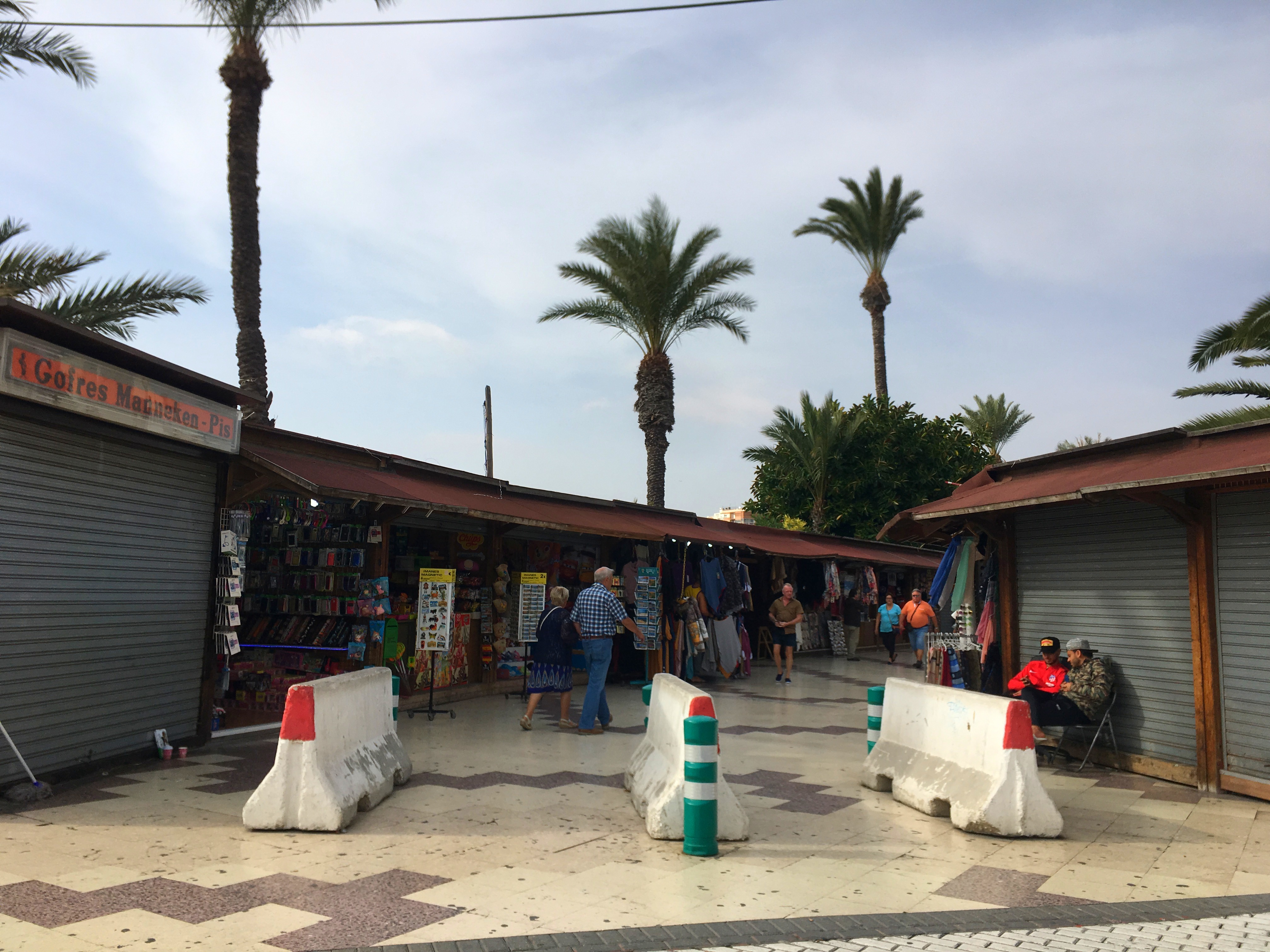
The general weekly market takes place on Fridays from 08:00 to 14:00 at Avenida Delfina Viudes and has around 500 stalls. It is a practical place for routine shopping and a lively reflection of Torrevieja’s mixed local and international population. La Mata also has a weekly market on Avenida de los Daneses. Market opening times can change around public holidays, so it is worth confirming before making a special trip.
Evenings in Torrevieja are generally centred on promenade dining, café terraces, bars, restaurants and seasonal concerts rather than an exclusively club-oriented scene. The waterfront is especially appealing around sunset, when residents and visitors gather for a stroll or a relaxed meal. Summer is livelier, but the town’s established resident base and annual cultural programme support a more year-round rhythm than a purely seasonal resort.
Getting to Torrevieja and moving around
Alicante–Elche Miguel Hernández Airport is the most useful airport for Torrevieja. It has a strongly international route network, and there is a direct, non-stop coach service between the airport and Torrevieja with an approximate journey time of 40 minutes. As with any airport transfer, travellers should check the latest timetable before booking flights or making onward plans.
Torrevieja’s centrally located bus station has regular coach connections to Alicante, Murcia, Elche and Cartagena, as well as other seasonal and longer-distance services. For rail travel, Orihuela Miguel Hernández is a useful regional station, with high-speed, long-distance, medium-distance and Murcia–Alicante Cercanías C1 services. Torrevieja itself is therefore better understood as a coach-connected coastal town than a rail-based destination.
A new eight-route municipal bus network began phased implementation in July 2026, linking the centre with La Mata, Cabo Cervera, hospitals, shopping areas, markets, parks, residential districts and the bus station. This is encouraging for car-light living, but implementation continues through 2027. Anyone choosing a home in an outer urbanisation should check the exact route, frequency, stop location and walking distance from the property.
Day trips from Torrevieja
Guardamar del Segura is a natural nearby outing for a change of coastline, long beaches, dunes and a different Costa Blanca town atmosphere. Closer to home, the La Mata lagoon, the Pink Lagoon, Molino del Agua and the wider natural park make excellent low-effort days out without needing to travel far.
For a more historic inland setting, Orihuela offers a useful contrast to the coast as well as its important rail station. Alicante city is a practical choice for larger-scale culture, city shopping, rail connections and airport access. Murcia and Cartagena are also feasible regional day trips by coach, broadening the appeal of Torrevieja for residents who enjoy exploring southeast Spain without always driving.
Why buy property or spend time in Torrevieja?
Torrevieja suits people who want the Mediterranean within reach of everyday services. Its appeal lies in the combination of beach life, a working maritime heritage, salt-lagoon nature, broad dining choice and a large, international year-round community. It is not a secluded resort, and that is precisely its advantage for many buyers: there are shops, markets, parks, public transport, restaurants and social spaces beyond the holiday season.
The key is choosing the right micro-location. Central Torrevieja works well for walkability, harbour life and easy access to urban beaches. La Mata is a strong option for long sand, dunes and a beach-focused environment. Inland and southern urbanisations can offer more space and a quieter residential feel, but usually require closer attention to transport and car access. For visitors, retirees, second-home owners and permanent residents alike, Torrevieja offers a practical, sociable and characterful base on the Alicante coast.
Location hierarchy
- España
- Comunidad Valenciana
- Alicante
- Torrevieja
- Torrevieja
Properties in Torrevieja
A selection of properties currently available in this location.

How can we help today?
Choose an option and our assistant will collect the right details so an agent can help you faster.