

Search with us
for your Spanish home
We will contact you with no obligation for personal follow-up
Would you like us to call you? Leave your details and we will contact you within 24 hours. Together, we will start the search for your dream home in Spain.
07/08/2026
How to Build Your Own Property in Spain with GOGO Estates: A Step-by-Step Guide for International Buyers
Introduction: Why Build Your Own Property in Southern Spain?
For many international buyers, the appeal of building your own property in Spain lies in combining Mediterranean lifestyle with a home tailored precisely to your tastes. The Costa Blanca and Costa Calida in particular offer sun-drenched landscapes, excellent infrastructure, and a vibrant mix of expat and local communities. However, the process of buying land and building—especially as a non-resident—requires the right strategy, strong guidance, and a realistic view of timelines and administrative steps.
Step 1: Finding and Choosing the Right Plot
Your journey begins with selecting the perfect piece of land. Look for plots with secured urban classification, convenient access, and attractive surroundings. GOGO Estates recommends reviewing these priorities:
- Confirm urban planning status (fully urban, urbanizable, or rustic land).
- Assess infrastructure: roads, water, electricity, sewage, and internet.
- Understand the area’s building density, slope, orientation, and environmental risks.
- Consider proximity to coast, schools, clinics, and essential shops.
See Land for sale in Alicante region for current opportunities in high-potential areas.
Step 2: Legal Requirements for Land Acquisition
Purchasing land in Spain follows a strict legal process, especially for foreigners. Start by confirming property title and status using the Land Registry (see official Land Registry Information). Next steps include:
- Securing a Spanish NIE number (for all buyers—verify local requirements).
- Making a reservation contract and deposit, subject to due diligence.
- Completing legal checks and ensuring no encumbrances or outstanding taxes.
- Signing the deed of sale before a Spanish notary (Notariado guide).
- Registering your ownership at the Land Registry for official security.
Step 3: Budgeting and Financial Planning
Proper budgeting is vital for a successful self-build project. Consider these essential cost elements:
- Land purchase price (including local taxes and notary fees).
- Architect’s project and technical studies.
- Building license application, utility connections, and municipal fees.
- Construction budget (materials, builders, project management).
- Unexpected costs: remodeling, landscaping, and approvals.
Financing may require a significant initial outlay. International buyers may consider Spanish banks but expect stricter terms—consult a qualified advisor and budget a 10–20% contingency fund for overruns.
| Cost Item | Typical Range |
|---|---|
| Land Purchase (Costa Blanca/Costa Calida) | Wide range—verify for desired locale |
| Notary & Legal Fees | ~1.5–2.5% of land cost |
| Licenses & Approvals | 2–5% of build cost |
| Construction | Varies—depends on materials, design, builder |
| Professional Project Management | Optional – plan for 5–10% |
| Utility Connections | Check with local suppliers |
| Other Taxes (IVA, local) | Varies, typically 10% VAT on new builds |
Step 4: Choosing Builders and Architects
A reputable, locally experienced team is your foundation for success. GOGO Estates maintains a network of vetted architects, technical study specialists, and reliable construction partners. Key steps:
- Hire a registered Spanish architect for design and technical project submission.
- Gather fixed-price quotes from builders with traceable portfolios and local references.
- Ensure clear written contracts outlining costs, stages, delays, and penalties.
- Verify professional liability insurance and municipal licenses.
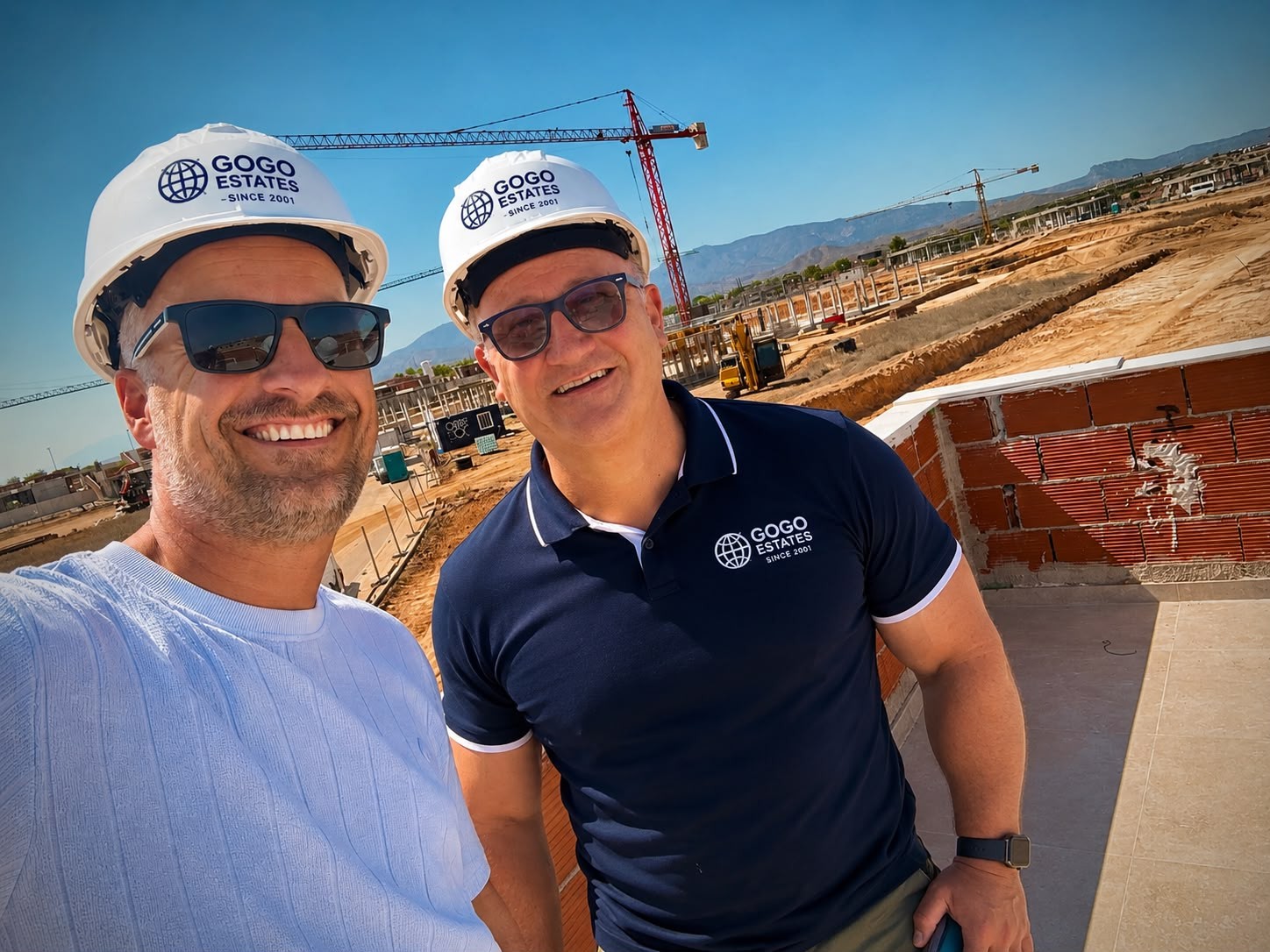
Regular site visits are recommended—even if you’re abroad, GOGO Estates provides photo and video updates and can represent your interests with contractors.
Step 5: Navigating Townhall Permissions and Local Rules
Getting building licenses is a detailed process. Allow 2–6 months for approvals, sometimes more in protected areas or if extra documentation is needed. Steps include:
- Submission of the architect’s project for review and environmental impact studies.
- Securing the official building license (licencia de obras) from local authorities.
- Notification and inspection by municipal building control officers.
- Adhering to local zoning rules (height, build density, setbacks, finishes).
Tip: Each region, and even each municipality, may have specific guidelines—always verify with local townhall before starting.
Step 6: Project Management & Construction Tips
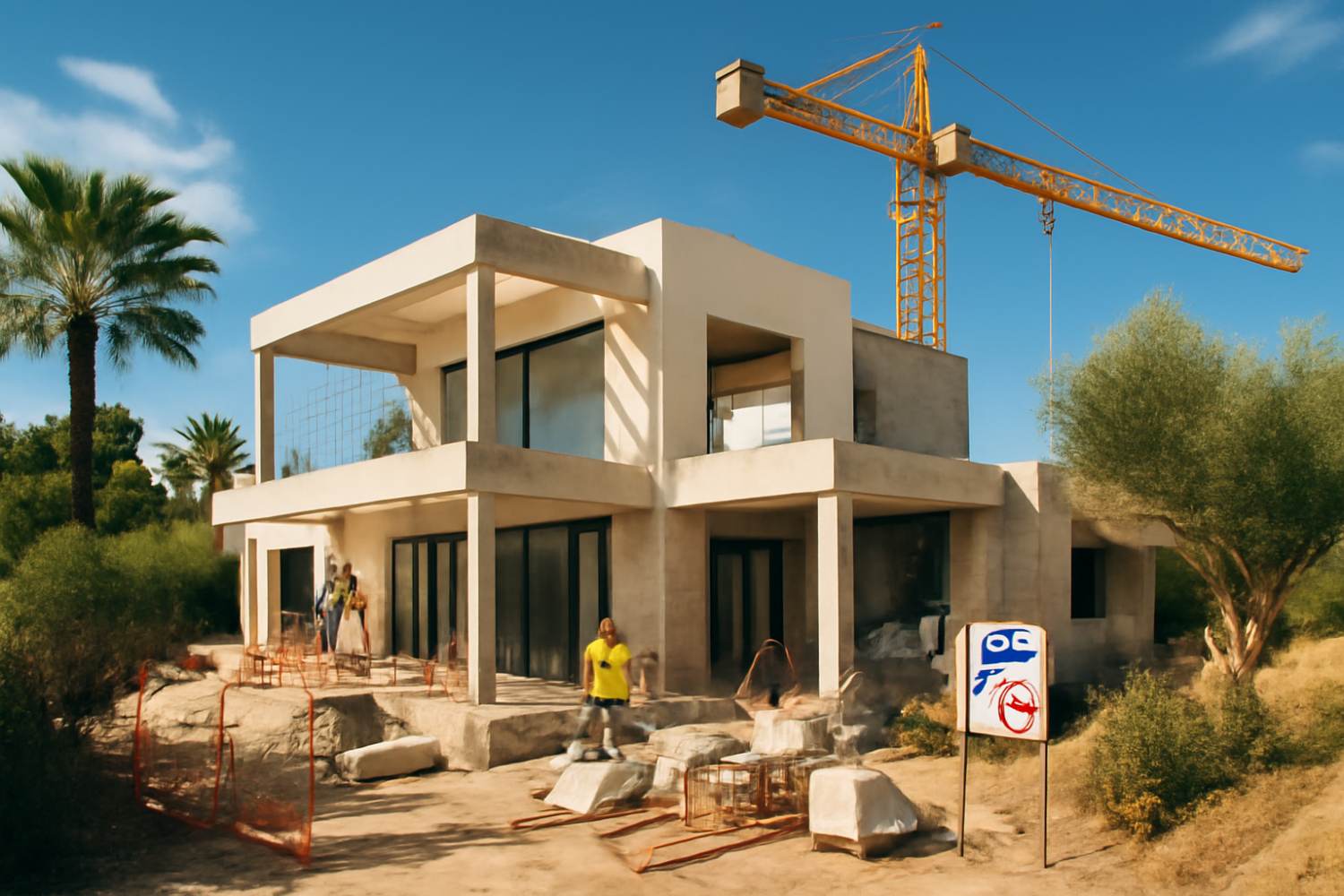
- Expect total build time (after licensing) of 10–18 months depending on design and complexity, with some projects taking longer for bespoke features.
- Maintain written records of communications, payments, and approvals.
- Order a technical completion certificate and register your finished home to close administrative formalities.
- For non-residents, entrusting GOGO Estates’ project management team ensures you receive photo updates, problem-solving, and direct liaison with your chosen architect and builder without having to travel for every stage.
Buying vs Self-Build: Pros & Cons
| Self-Build | Buying New/Pre-Owned | |
|---|---|---|
| Personalisation | Full control of design, layout, features | Limited—choose from what’s available |
| Timeframe | 12–24+ months total | 1–4 months (move-in ready) |
| Complexity | Higher—requires coordination, oversight | Simpler purchase process |
| Initial Cost Outlay | Often higher (upfront costs before visible progress) | Spread payments or mortgage |
| Value Potential | High—custom homes may command premium resale | Depends on property and market |
| Stress Factor | Can be greater, unless expertly managed | Lower with established property |
How GOGO Estates Supports You at Every Step
- Expert Guidance: Multilingual team explains every legal, financial, and technical detail in plain language.
- Project Monitoring: Receive regular photo and video progress reports—no need to be on-site for every decision.
- Trusted Partners: We introduce you to reputable architects, builders, and local notaries with clear, transparent contracts.
- Townhall Assistance: We handle license submissions and liaise with administrative offices on your behalf.
- Aftercare: Post-completion, GOGO Estates can assist with property registration, snagging lists, and even furnishing advice.
FAQ: Building Your Own Property in Spain
How long does the average self-build take from start to finish?
Expect at least 18–24 months from initial plot search to move-in, assuming no unexpected delays. This includes site selection, legal checks, planning permissions (2–6+ months), and actual construction (8–18 months depending on the project).
What are typical approval hurdles for international buyers?
Common stumbling blocks include difficulties obtaining licenses for rural plots, resolving unclear land titles, or getting technical projects approved the first time. Having local support and early vetting greatly smooths the process.
Do I need to be present in Spain throughout the build?
No. GOGO Estates can provide regular visual updates, organise video calls with your architect and builder, and act as your representative locally, so you can manage the process from abroad with peace of mind.
Can foreigners access mortgage finance for land and construction?
Several Spanish banks do lend to non-residents, mainly for new builds rather than just land. Terms are stricter than for Spanish buyers. Consult a specialist early for pre-approval and to confirm your best options.
Essential Checklist: Your Self-Build Project in Spain
- Confirm land's legal status and urban classification.
- Obtain an NIE number for all buyers.
- Perform full due diligence: debts, encumbrances, past planning.
- Hire a local registered architect and gather build quotes.
- Budget all professional, government, and connection fees.
- Secure written contracts for all parties.
- Apply for building license—allow extra time for reviews.
- Arrange local project management if residing abroad.
- Register the finished home in your name.
- Verify all steps with local experts—approval processes can vary by region.
Ready to Begin? Browse Opportunities in Alicante
Ready to make your vision of a Mediterranean home a reality? Browse plots for sale in Alicante region or contact GOGO Estates for personalised guidance on your next steps.
For detailed legal guidance, also consult the official Notariado guide for foreigners and Ministry of Justice Land Registry Information. Local rules may vary–always verify with your lawyer or real estate expert for regulated, up-to-date insights.

How can we help today?
Choose an option and our assistant will collect the right details so an agent can help you faster.